
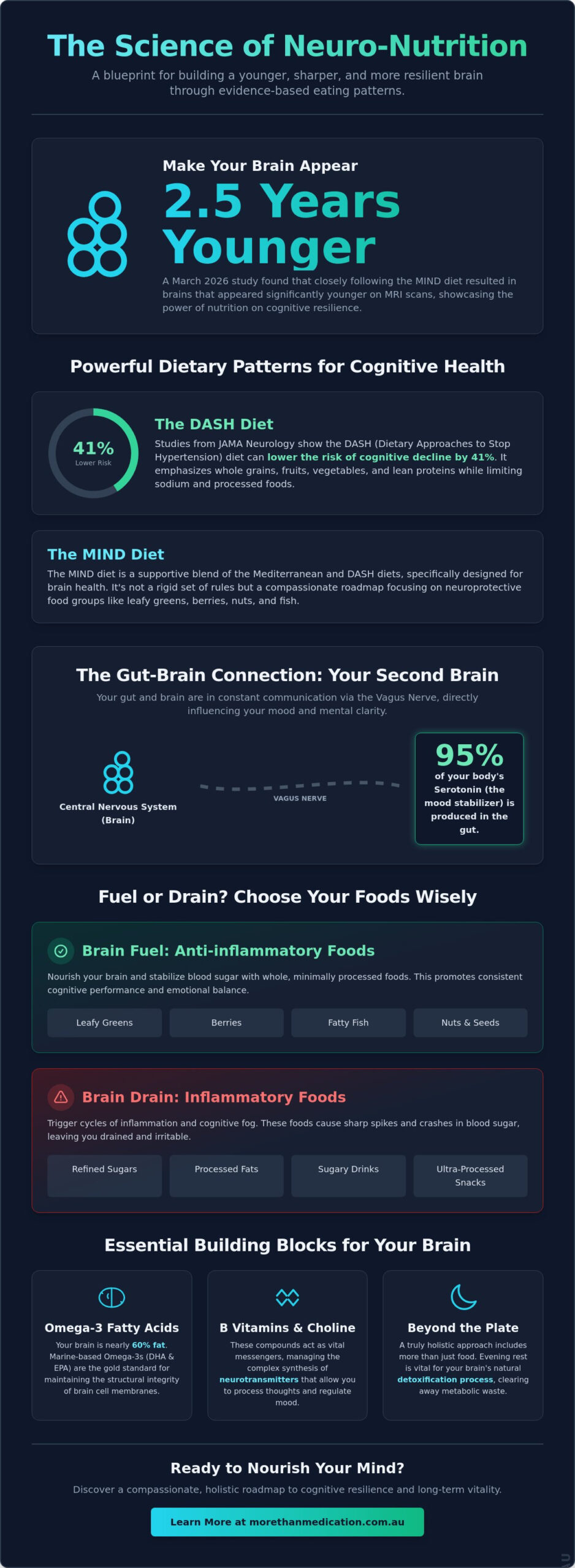
Did you know that following a specific eating pattern could make your brain appear 2.5 years younger on an MRI scan? This finding, published in March 2026, highlights how much influence your kitchen has over your cognitive resilience. It’s completely normal to feel overwhelmed by the flood of conflicting nutrition advice or to worry when you experience a sudden memory lapse. We understand that maintaining a consistent diet feels like a challenge when life gets busy. You deserve a clear path to the best foods for brain health that feels like a supportive partnership rather than a clinical chore.
We believe that nourishing your mind is about more than just checking off a list of nutrients; it’s about building a lifestyle that supports your mood and long term vitality. You’ll learn how the 2026 Dietary Guidelines and recent studies from JAMA Neurology, which found the DASH diet can lower cognitive decline risk by 41 percent, offer a compassionate roadmap for your health journey. This guide provides a list of evidence based foods and practical ways to weave them into your daily routine without the stress. We’re here to help you feel empowered, balanced, and resilient every single day.
Key Takeaways
- Understand the gentle communication between your gut and your mind to help clear away mental fog and stabilize your mood.
- Identify the essential building blocks like Omega-3 fatty acids that support your brain’s architecture and long term resilience.
- Learn how to stock your pantry with the best foods for brain health using our simple “Brainy Dozen” checklist for easier daily choices.
- Embrace the “crowding out” approach to nutrition, which focuses on adding nourishing options rather than practicing restrictive dieting.
- Discover the vital connection between your evening rest and your brain’s natural detoxification process for a truly holistic approach to wellness.
Why Brain Health Starts in the Kitchen: The Gut-Brain Connection
If you’ve ever felt a wave of confusion or noticed your focus slipping during a busy afternoon, you aren’t alone. It’s a frustrating experience that can make even simple tasks feel like a mountain to climb. Often, we think of these moments as a failure of the mind, but your brain doesn’t exist in a vacuum. It’s deeply connected to your physical state. This is where neuro-nutrition comes in. It’s a pillar of holistic wellness that treats your diet as a foundational tool for mental clarity. By choosing the best foods for brain health, you’re doing more than just eating; you’re nourishing the very system that allows you to feel present and resilient. Your journey toward cognitive vitality starts with acknowledging that your mind and body are partners in your wellbeing.
The Vagus Nerve and Your Mood
Your digestive system and your mind are in constant conversation through a sophisticated network. The gut-brain axis is the bidirectional communication link between the enteric and central nervous systems. At the heart of this dialogue is the vagus nerve, which acts as a literal information highway between your gut and your brain. It’s a powerful connection that influences how you feel every day. In fact, research shows that 95 percent of your serotonin, the chemical that stabilizes your mood, is produced in your gut. Understanding the gut-brain axis helps us see why a troubled stomach often leads to a troubled mind. When your gut is happy, your brain is far more likely to feel calm and centered.
Reducing Inflammation Through Whole Foods
Inflammation is often the hidden culprit behind cognitive fog. When we consume “brain drain” foods like refined sugars and ultra-processed fats, we trigger a cycle of inflammation that disrupts our mental flow. These items cause sharp spikes and crashes in blood sugar, leaving you feeling drained and irritable. Maintaining stable blood sugar is essential for consistent cognitive performance and emotional balance. This shift toward anti-inflammatory living is one of the latest health trends in 2026, reflecting a move away from restrictive dieting toward whole-body vitality. The January 2026 Dietary Guidelines emphasize whole, minimally processed foods for this very reason. Choosing the best foods for brain health isn’t about perfection; it’s about giving your body the steady, reliable fuel it needs to thrive.
The Science of Neuro-Nutrition: Key Nutrients for a Sharp Mind
Understanding the “why” behind your dietary choices can turn a list of ingredients into a powerful toolkit for resilience. Science shifted significantly in early 2026, with a March 2026 study revealing that people who closely follow the MIND diet have brains that appear roughly 2.5 years younger on MRI scans. This dietary pattern isn’t a rigid set of rules; it’s a supportive blend of the Mediterranean and DASH diets. By prioritizing the best foods for brain health, you’re providing your neurons with the specific raw materials they need to repair, communicate, and thrive. This holistic approach focuses on long term vitality rather than quick fixes. If you’re interested in exploring holistic health further, looking at these specific nutrients is a wonderful place to start your journey.
Beyond the structural support, your brain requires B vitamins and Choline to manage the complex task of neurotransmitter synthesis. These compounds act as the messengers that allow you to process thoughts and regulate your mood. When you adopt brain-healthy eating patterns, you’re essentially optimizing your internal chemistry. This isn’t just about avoiding decline; it’s about feeling more vibrant and present in your daily life. We know that making these changes can feel daunting, but focusing on these key building blocks makes the process feel much more navigable.
Omega-3s: The Brain’s Structural Support
Your brain is nearly 60 percent fat, which makes the type of fats you consume incredibly important. Marine-based Omega-3s, specifically DHA and EPA, are the gold standard for maintaining the integrity of brain cell membranes. While the 2026 harvest prediction for Alaskan salmon shows a 36 percent decrease from last year, you can still find value in retail fillets, which ranged from $10.50 to $33.50 per pound in April 2026. If you prefer a plant-heavy journey, walnuts and flaxseeds provide ALA, a precursor that supports your overall fatty acid profile. Even with wholesale walnut prices reaching up to $12.04 per pound, these small additions are a worthy investment in your cognitive resilience.
Flavonoids and Anthocyanins: The Cognitive Shield
Berries are often celebrated as the best foods for brain health because they’re packed with flavonoids. These natural compounds improve blood flow to the hippocampus, the area of your brain responsible for memory. You don’t need to worry about finding fresh berries year round to see the benefits. While retail prices for fresh blueberries averaged $3.55 per package in February 2026, frozen options are just as nutrient-dense and often more budget-friendly. These antioxidants act as a shield, protecting your delicate brain cells from the oxidative stress that naturally occurs as we age. Adding a handful to your morning routine is a small, gentle action that yields significant rewards for your mental clarity.
Superfoods vs. Sustainable Patterns: Debunking the Miracle Pill Myth
It’s natural to want a quick solution for mental clarity. You might see headlines claiming a single berry or exotic seed is the secret to total cognitive protection. However, we believe that true vitality comes from the steady, rhythmic pulse of your daily choices. Relying on one miracle food while ignoring your overall dietary pattern is like trying to fix a leaky roof with a single shingle. Instead, we advocate for the crowding out method. This means focusing on adding more of the foods that protect the brain into your meals until they naturally displace less nourishing options. It’s a gentler, more sustainable way to build a lifestyle that supports your mind without the pressure of strict restriction.
Consistency is your greatest ally on this journey. While a fad diet might offer temporary results, evidence-based patterns like the Mediterranean diet provide the long term resilience your neurons crave. The January 2026 Dietary Guidelines remind us that whole foods, rather than isolated nutrients, are the foundation of holistic health. When you choose the best foods for brain health consistently, you aren’t just eating for today; you’re investing in your future self. This is a journey of small, manageable steps that honor your body’s needs. We’re here to help you navigate these choices one plate at a time.
The Role of Dark Chocolate and Coffee
Many of us rely on a morning cup of coffee or a piece of chocolate for a quick mental boost. These items contain caffeine and antioxidants that can sharpen short term focus and improve your mood. To get the most benefit, aim for the sweet spot of consumption. Too much caffeine can lead to anxiety or disrupt your sleep, which are both detrimental to long term brain health. When choosing chocolate, reach for varieties with 70 percent cocoa or higher. These dark chocolates provide the highest concentration of neuro-protective flavonoids and significantly less added sugar than milk chocolate varieties.
Leafy Greens: The Daily Essential
If there’s one group of the best foods for brain health you shouldn’t skip, it’s leafy greens. Spinach, kale, and broccoli are rich in Vitamin K, Lutein, and Folate. Research indicates that individuals who consume at least one serving of these greens daily have brains that function significantly better than those who don’t. We know it can be hard to fit greens into every meal when you’re busy. You might try incorporating them into healthy slice recipes for a convenient, nutrient dense snack. It’s about finding creative ways to make these essentials a natural part of your daily life.
Building Your Brain-Healthy Pantry: Practical Action Steps
Transforming your kitchen into a sanctuary for your mind doesn’t have to happen overnight. It starts with a gentle look at what’s already in your cupboards. We suggest auditing your pantry for “brain drain” triggers, such as items with high levels of added sugars or ultra-processed fats. The January 2026 Dietary Guidelines take a firm stance against these ingredients because of how they disrupt your mental flow. Once you’ve cleared the path, you can begin stocking up on the best foods for brain health. This isn’t about perfection; it’s about surrounding yourself with options that make the right choice the easiest one to make when you’re tired or busy.
Mastering the art of the “Brain Bowl” is a wonderful way to simplify your meals. Use a base of leafy greens, add a clean protein like eggs or beans, include a healthy fat like avocado, and top it with a sprinkle of walnuts. As you enjoy your meal, try to practice mindful eating. Taking the time to breathe and chew thoroughly improves your digestion and ensures your body actually absorbs the nutrients you’re providing. Don’t forget that hydration is equally vital for cognitive speed. Even mild dehydration can lead to nagging headaches and a noticeable drop in your ability to process information quickly. If you’re ready to take the next step, you can find more resources for your wellness journey here.
The Brainy Dozen Checklist
Having a reliable list of essentials makes grocery shopping feel much less overwhelming. We recommend keeping these twelve items on hand to support your cognitive resilience:
- Fatty fish: Salmon or sardines for essential DHA.
- Berries: Blueberries and strawberries for antioxidants.
- Leafy greens: Spinach or kale for Vitamin K.
- Walnuts: A great source of plant-based fats.
- Eggs: Rich in choline for neurotransmitter health.
- Turmeric: A powerful anti-inflammatory spice.
- Pumpkin seeds: Pumpkin seeds are exceptionally high in zinc, which is vital for nerve signaling.
- Avocado: Provides healthy monounsaturated fats.
- Olive oil: The cornerstone of the MIND diet.
- Beans and Whole grains: For steady, slow-release energy.
- Green tea: For a gentle, focused caffeine boost.
Whenever possible, try to source your produce locally and seasonally. This ensures you’re getting the peak nutrient density your brain deserves. While retail prices for shelled walnuts were between $4.56 and $5.49 per pound in April 2026, they remain a high-value staple for any brain-healthy kitchen.
Brain-Healthy Snacking
We’ve all experienced that 3:00 PM slump where it feels impossible to focus. Moving away from high-sugar snack bars and toward protein-rich options like Greek yoghurt, nuts, or seeds can make a world of difference. These snacks provide a steady stream of fuel that prevents the blood sugar crashes responsible for brain fog. It’s also helpful to remember that your physical activity and your diet work in tandem. You can learn more about fitness and how movement supports your mental clarity. Choosing the best foods for brain health ensures your mind is just as ready for a walk or a workout as your body is.
Beyond the Plate: The Holistic Path to Cognitive Resilience
We’ve spent time exploring how the best foods for brain health provide the essential raw materials for a sharp mind. However, we know that your well-being isn’t defined by a single category of choices. At More Than Medication, we believe that nutrition is a vital piece of the puzzle, but it’s still just one piece. Your journey toward cognitive vitality is a multifaceted experience that includes how you rest, how you move, and how you treat yourself during the difficult moments. By looking at the “more,” you can create a lifestyle that supports your medical needs while fostering a deep sense of personal empowerment. It’s about building a partnership between your daily habits and your long term health goals.
A truly holistic approach acknowledges that your brain doesn’t function in isolation. The choices you make in the kitchen are amplified by the way you care for your body’s other systems. When you align your diet with restorative sleep and gentle movement, you’re not just preventing decline; you’re actively cultivating resilience. We understand that life can feel overwhelming, especially when you’re managing focus or memory concerns. You don’t have to change everything at once. Small, intentional shifts in your routine can lead to significant improvements in how you feel and think every day.
Sleep: The Brain’s Nightly Clean-up
While you rest, your brain is actually incredibly busy performing essential maintenance through the glymphatic system. This specialized waste clearance process flushes out metabolic toxins that accumulate throughout your waking hours. Think of it as a nightly deep clean for your neurons. If you’re currently utilizing migraine therapy drugs or other medical supports, quality sleep acts as a powerful ally to your treatment. Exposure to blue light from screens and late night eating can hinder this detoxification process. By prioritizing a calm evening routine, you ensure that the best foods for brain health you’ve eaten all day can truly do their work.
Movement and Neuroplasticity
Physical activity does more than just strengthen your muscles; it literally reshapes your mind. Exercise stimulates the production of Brain-Derived Neurotrophic Factor (BDNF), a protein that supports the growth of new brain cells and strengthens existing connections. This is the essence of neuroplasticity. You don’t need to commit to an intense gym regimen to see these benefits. Gentle movement, such as a daily walk or a session of remedial massage, can lower cortisol levels and improve blood flow to the brain. These practices help quiet the noise of a stressful day and allow your mind to find its natural balance.
Your health journey is a whole-person experience that deserves a compassionate, patient-centric approach. It’s okay to move at your own pace and celebrate the small victories along the way. Whether you’re experimenting with new recipes or making time for an extra hour of rest, you’re taking meaningful steps toward a more vibrant future. We’re here to walk alongside you, providing the steady guidance and reliable information you need to feel confident in your choices. You have the power to nourish your mind and protect your cognitive vitality for years to come.
Your Journey to a Vibrant Mind Starts Today
Your path to cognitive vitality is a gentle, ongoing process rather than a destination you must reach overnight. We’ve explored how the March 2026 study on the MIND diet offers tangible hope for keeping your brain 2.5 years younger on MRI scans. By focusing on the gut-brain axis and the 95 percent of serotonin produced in your digestive tract, you’re building a foundation for emotional and mental balance. Choosing the best foods for brain health is a powerful act of self-care that honors the “more” in your health journey. You don’t have to navigate these complex choices alone. We’re here to provide expert-led nutrition advice and evidence-based health trends that fit into the reality of your daily life. Our compassionate, patient-centric resources are designed to reduce anxiety and help you feel truly empowered. We invite you to Explore more holistic wellness insights at More Than Medication as you continue your journey. Every small, mindful choice you make today is a step toward a more resilient and vibrant future. You have the strength and the tools to thrive.
Frequently Asked Questions
Is there one specific “superfood” that is best for memory?
No single “superfood” can protect your memory on its own; instead, success comes from consistent dietary patterns. Research from March 2026 shows that the MIND diet, which combines several food groups, is far more effective than any individual item. Focusing on the best foods for brain health as a collective group helps your neurons communicate better. It’s about the synergy of nutrients working together to support your mind’s long term resilience.
Can a healthy diet really reverse cognitive decline?
While diet alone may not fully reverse established decline, it can significantly slow progression and lower future risks. A study in JAMA Neurology from February 23, 2026, found that those following the DASH diet had a 41 percent lower risk of cognitive decline. These dietary changes provide your brain with the anti-inflammatory tools it needs to maintain its current function. It’s a powerful way to take control of your health journey and foster empowerment.
How much water do I need to drink for optimal brain function?
You should aim for approximately 2 to 3 liters of fluid daily to maintain peak mental performance. Even a small 2 percent drop in hydration can lead to a noticeable decrease in memory and attention span. Water acts as a vital transport system for nutrients and helps clear out metabolic waste. Keeping a reusable bottle nearby is a simple, gentle action that prevents brain fog and keeps your cognitive speed high.
Are eggs actually good for your brain or should I avoid them?
Eggs are an excellent addition to your diet because they are a primary source of choline, a nutrient vital for mood and memory. The 2026 Dietary Guidelines released in January 2026 moved away from strict cholesterol limits, recognizing that eggs provide high quality protein and essential B vitamins. They help build the neurotransmitters that allow your brain cells to talk to each other. Including them in your meals is a manageable, evidence based way to support your wellbeing.
What happens to the brain if you eat too much sugar?
Consuming too much added sugar triggers systemic inflammation that can damage the hippocampus, the brain’s memory center. The 2026 Dietary Guidelines recommend keeping added sugars as low as possible to prevent the blood sugar spikes that lead to mental fatigue. High sugar intake is also linked to a decrease in BDNF, the protein responsible for growing new brain cells. Choosing whole fruits instead helps stabilize your energy and protects your long term cognitive vitality.
Do brain supplements work as well as whole foods?
Whole foods are generally superior to supplements because they provide a complex matrix of fiber, antioxidants, and nutrients that work together. Your body absorbs these vitamins more effectively when they come from a natural source rather than a pill. While supplements can help fill specific gaps, they don’t offer the same holistic benefits as a plate filled with the best foods for brain health. Focus on building a nutrient dense pantry to give your mind the most reliable support.
How long does it take to see the benefits of a brain-healthy diet?
You may notice improvements in your mood and focus within just a few days of stabilizing your blood sugar with whole foods. However, structural changes in brain health, such as those seen in the March 2026 MRI study, typically require consistent habits over several months or years. It’s helpful to view your diet as a lifelong journey of nourishment. Every healthy meal you enjoy is a small, actionable step that builds your long term cognitive resilience.
Is coffee good or bad for long-term brain health?
Coffee is generally beneficial for long term brain health when consumed in moderation, usually 2 to 3 cups per day. It’s rich in antioxidants that protect your neurons from oxidative stress and may lower the risk of certain cognitive conditions. However, it’s important to listen to your body and avoid caffeine late in the day to protect your sleep. Balancing your coffee intake ensures you get the focus you need without triggering anxiety or restlessness.
⚕️ Medical Disclaimer
This content is for informational purposes only and is not a substitute for professional medical advice, diagnosis, or treatment. Always seek the advice of your doctor or other qualified health provider with any questions you may have regarding a medical condition. Never disregard professional medical advice or delay in seeking it because of something you have read on this website.