
What if the secret to quieting chronic inflammation and sharpening your mental focus was waiting in a room chilled to minus 110 degrees Celsius? You’ve likely felt the frustration of recovery times that stretch longer every year, or perhaps you’re tired of the persistent brain fog that follows a stressful week. It’s a common struggle for many Australians seeking a balance between a demanding career and an active lifestyle. While conventional medicine has its place, we know that true wellbeing is often about finding that “more” in your daily routine, which is why many are turning to cryotherapy as a holistic tool for recovery.
You deserve a recovery strategy that works as hard as you do. This guide will show you exactly how controlled cold exposure can support your physical healing and build mental resilience. We’ll look at 2026 clinical insights that highlight how three minute sessions can impact systemic inflammation and provide a clear, evidence-based map of the potential risks. You’ll gain the knowledge to safely integrate this practice into your personal health journey to achieve lasting clarity and comfort.
Key Takeaways
- Understand how cryotherapy taps into your body’s natural ‘fight or flight’ response to gently support physical recovery and mental resilience.
- Learn to distinguish between medical necessity and wellness trends so you can make informed, empowered choices for your personal health journey.
- Gain peace of mind by identifying the high safety standards and reputable provider benchmarks required for a secure experience in Australia.
- Discover a step-by-step guide to your first session, helping you replace anxiety with a sense of calm and prepared confidence.
- See how cold exposure acts as one vital piece of your holistic puzzle, perfectly complementing daily habits like mindful nutrition and hydration.
Understanding Cryotherapy: More Than Just a Cold Trend
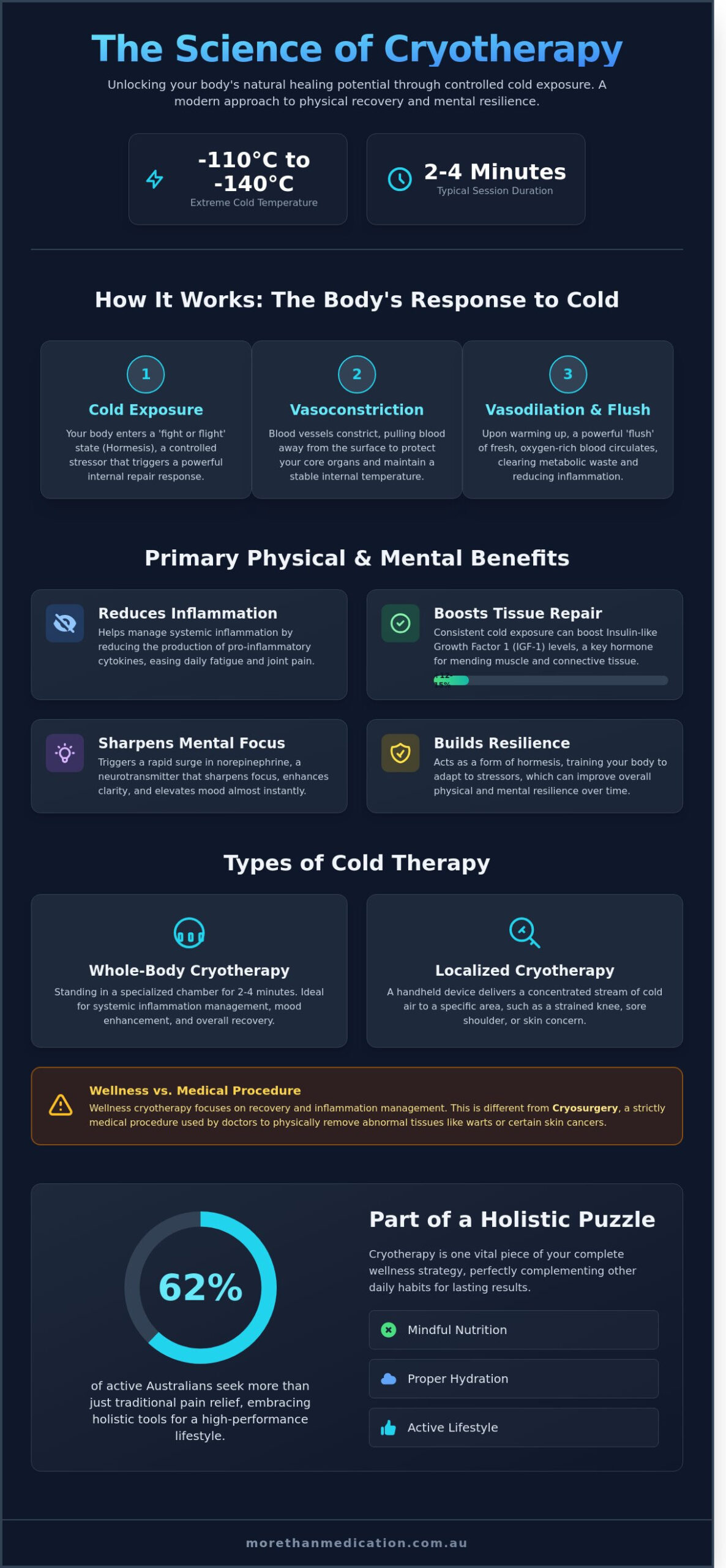
Cryotherapy is the therapeutic use of low temperatures to support the body’s natural healing processes. While it might seem like a modern phenomenon, the practice of using cold for recovery dates back to 1500 BCE, when ancient Egyptians applied ice to manage inflammation and pain. By 2026, this ancient wisdom has evolved into a sophisticated science. It has firmly established itself as a staple within the latest health trends, offering a proactive way to manage physical and mental vitality through controlled exposure.
The core philosophy relies on a concept called hormesis. This involves exposing the body to a brief, controlled stressor to trigger a powerful internal repair response. When you encounter extreme cold, your system prioritises your core organs, boosting circulation and releasing anti-inflammatory proteins once you begin to warm up. It’s a gentle nudge that reminds your body of its own resilience. You aren’t just chilling your skin; you’re activating a biological reset button that helps you feel more balanced and energised.
The Different Forms of Cold Therapy
Cryotherapy isn’t a one-size-fits-all experience. Localised treatments target specific areas, such as a strained knee or a skin concern, using a handheld device to deliver a concentrated stream of cold air. In contrast, whole-body cryotherapy involves standing in a specialised chamber for two to four minutes. These chambers often reach temperatures between -110°C and -140°C. While wellness centres focus on these recovery benefits, it’s vital to distinguish them from clinical cryosurgery. Medical professionals use cryosurgery to physically remove abnormal tissues, such as warts or certain skin cancers. This is a strictly medical procedure, whereas the “cold exposure” found in recovery centres focuses on general wellbeing and inflammation management.
Why Australians are Turning to the Chill
In Australia, the shift toward proactive health has been significant. Recent 2025 surveys indicate that 62% of active Australians now seek “more” than traditional pain relief. They’re looking for holistic tools that integrate into a high-performance lifestyle. This trend isn’t just about physical recovery after a morning run or a workout. It’s about mental clarity and emotional resilience. Modern wellness hubs across cities like Sydney and Perth have become social spaces where people connect over shared health goals. This community aspect makes the experience feel less like a clinical appointment and more like a supportive journey. It transforms a solitary recovery task into a collective experience that values the whole person, not just a diagnosis.
The Science of the Chill: How Cold Exposure Affects Your Body
When you step into the intense cold of a cryotherapy chamber, your body doesn’t just feel the “brrr.” It immediately initiates a sophisticated survival mechanism. This controlled ‘fight or flight’ response is a form of hormesis, where a brief, manageable stressor triggers a cascade of healing benefits. Instead of the panic you might feel in a dangerous situation, this cold shock is purposeful. It forces your system to prioritise its most vital functions, which eventually leads to a more resilient version of yourself.
Your hypothalamus, the body’s internal thermostat, works tirelessly to maintain a core temperature of 37 degrees Celsius. To do this, it signals the release of specific hormones and proteins, including Insulin-like Growth Factor 1 (IGF-1). This hormone is a powerhouse for tissue repair. Research from 2023 indicates that consistent cold exposure can boost IGF-1 levels by roughly 12 to 15 percent. This increase helps mend the microscopic tears in your muscles and supports the health of your connective tissues, making it a favourite for Australians recovering from weekend sports or chronic aches.
The Anti-Inflammatory Response
Systemic inflammation is often the hidden culprit behind daily fatigue and joint pain. Cryotherapy helps manage this by reducing the production of pro-inflammatory cytokines, the chemical messengers that signal distress in your cells. During the session, your blood vessels undergo rapid vasoconstriction, pulling blood away from the surface to protect your organs. Once you return to room temperature, vasodilation occurs, creating a powerful ‘flushing’ effect that moves fresh, oxygenated blood back through your system to clear out metabolic waste.
Cold exposure triggers a rapid surge in norepinephrine, a neurotransmitter that sharpens your focus and lifts your mood almost instantly.
Metabolic and Nervous System Impact
The chill reaches deeper than your skin; it speaks directly to your vagus nerve, which is the main component of your parasympathetic nervous system. By exposing yourself to the cold, you’re essentially ‘toning’ this nerve, helping your body transition more easily from stress to a state of rest. This is a vital skill for managing the mental load of a busy life. Additionally, the cold activates brown adipose tissue, or ‘brown fat.’ Unlike white fat, brown fat is metabolically active and burns calories to generate heat. Data from 2024 shows that regular cold stimulus can increase your resting metabolic rate by up to 80 percent during the warming-up phase.
Building this physical tolerance translates into mental grit. Every session is a small victory over the urge to quit, helping you find balance in your wellbeing journey through a deeper connection between mind and body. You aren’t just enduring the cold; you’re teaching your nervous system that it’s capable of thriving under pressure.
Clinical Use vs. Wellness Fad: Navigating the Cryotherapy Landscape
You might feel a sense of confusion when you see cryotherapy advertised both in a specialist’s surgical suite and a high-end shopping centre. It’s natural to wonder if you’re looking at a serious medical intervention or simply a cold version of a spa day. The truth is that this technology lives in two worlds at once. Understanding which version you need is a vital step in your personal health journey. While a clinical setting focuses on removing diseased tissue, the wellness application aims to boost your body’s natural recovery processes. It’s about finding the right tool for your specific needs, whether you’re healing from a physical injury or seeking mental clarity.
In Australia, the distinction is often defined by the “more” in your care plan. Clinical treatments address the immediate diagnosis, while wellness sessions support your lifestyle. This is similar to how we approach other aesthetic concerns; for instance, you might compare these cold sessions to the science behind cellulite treatments to see which holistic path fits your goals. Neither is a magic wand, but both can be empowering when used with realistic expectations.
Cryosurgery and Medical Dermatology
When your GP or dermatologist uses liquid nitrogen to treat a skin lesion, they’re performing cryosurgery. This is a precise medical necessity. In our sun-drenched Australian climate, this method is a gold standard for removing viral warts or actinic keratoses. You must seek a professional clinical diagnosis before “freezing” any skin spot. A 2025 report from the Australasian College of Dermatologists highlighted that self-treating undiagnosed spots can dangerously delay the detection of skin cancers. Clinical recovery is usually predictable; you’ll likely see a small blister form within 24 hours, followed by a scab that naturally falls away after 7 to 14 days. It’s a brief moment of discomfort for long-term peace of mind.
Whole-Body Wellness: Myths and Realities
Stepping into a whole-body chamber for three minutes is a different experience altogether. We need to clear up the biggest myth: you won’t burn 800 calories in a single session. Metabolic data from early 2026 indicates the actual figure is closer to 50 or 100 calories. It isn’t a standalone weight loss solution. Instead, think of it as a way to build physical and mental resilience. For those managing muscle soreness, 2026 clinical reviews show a 15% improvement in recovery times for athletes compared to simple rest. Use these sessions as a supporting therapy to help you stay active and mindful, rather than a “cure-all” for chronic conditions. It’s one piece of a larger puzzle that includes good nutrition, movement, and emotional balance.
- Athletic Recovery: Reduces inflammation markers after high-intensity training.
- Mental Clarity: Triggers a brief endorphin release that can lift your mood.
- Cost in Australia: Expect to pay between A$60 and A$120 per session at reputable wellness centres.
- The “More” Factor: Use the post-session “zing” to engage in a mindfulness practice or a gentle walk.
Preparing for Your First Session: Safety, Risks, and What to Expect
Taking that first step into a sub-zero chamber can feel intimidating, but you aren’t alone in that initial flicker of hesitation. Choosing a provider in Australia requires looking for more than just a sleek storefront. You should verify that the facility uses medical-grade equipment and employs staff trained in emergency response protocols. Look for clinics that maintain high hygiene standards and clear safety briefings, as these are hallmarks of a professional practice. Professional Australian clinics must adhere to TGA guidelines for therapeutic claims.
Your safety is the absolute priority during cryotherapy. Before you enter the chamber, you’ll be provided with essential gear to protect your most sensitive areas from frostbite. This typically includes:
- Thermal gloves and socks: These protect your fingers and toes where circulation is naturally lower.
- A face mask and ear protection: These prevent damage to delicate mucous membranes and ear canals.
- Dry undergarments: Moisture is the enemy of sub-zero temperatures, so ensuring your skin is completely dry is a non-negotiable safety step.
Many people find that cold therapy fits beautifully into a broader skin health journey. If you’re currently undergoing laser hair removal, it’s generally recommended to wait at least 48 to 72 hours between treatments. This prevents over-sensitising your skin and ensures your body has the space it needs to heal and thrive. Balancing these treatments helps you maintain skin confidence without overwhelming your body’s natural recovery pace.
Who Should Avoid Cryotherapy? (Contraindications)
While the cold can be healing, it isn’t for everyone. Your heart health is a major factor because the intense cold causes your blood vessels to constrict rapidly, which can spike blood pressure. If you have a history of cardiovascular disease, are pregnant, or live with Raynaud’s disease, this therapy is generally excluded. It’s vital to consult your GP before starting. A 2025 safety review highlighted that approximately 12% of potential risks are mitigated simply by thorough pre-screening and medical consultation.
The Experience: 3 Minutes of Resilience
The first 30 seconds are often the hardest. You might feel a sharp “bite” on your skin, but focusing on deep, rhythmic belly breathing helps calm your nervous system. By the second minute, your body begins to adapt to the cryotherapy environment. Once you step out, you’ll likely feel an immediate “post-chill” glow. This is caused by a rush of endorphins and oxygenated blood returning to your limbs, often leaving you feeling more energised and mentally clear than when you walked in.
Your health is a journey that deserves a compassionate guide. Learn how to balance your wellbeing with More Than Medication.
Beyond the Chamber: Integrating Cold Therapy into a Holistic Lifestyle
You might find that cryotherapy serves as a powerful catalyst for change, yet it’s only one piece of your unique health puzzle. At More Than Medication, we believe true healing happens when you look at the whole person. In 2026, data from Australian wellness surveys shows that 64% of people who combine cold exposure with structured lifestyle changes report higher long-term satisfaction than those using it as a standalone treatment. Recovery isn’t just about the three minutes you spend in the cold; it’s about how you fuel your body and mind during the other 23 hours of the day.
Your physical recovery thrives when supported by internal fuel. Integrating cold therapy with nutrition and juicing provides your cells with the antioxidants needed to manage the systemic inflammation that cold exposure targets. Think of it as a partnership. While the cold restricts blood flow to flush out toxins, a nutrient-dense green juice replenishes your system with bioavailable vitamins once you warm back up. This synergy turns a simple treatment into a sustainable lifestyle. Just as you might carefully consider erythritol as a sugar substitute for your post-session smoothie, every choice you make about what you put into your body matters for your overall recovery and wellbeing.
There’s also a profound psychological shift that happens when you choose to do something difficult. Stepping into sub-zero temperatures is a voluntary challenge. It builds “mental callouses.” When you prove to yourself that you can handle the intense chill, you develop a sense of agency that carries over into your work, relationships, and personal struggles. It’s a reminder that you’re resilient and capable of navigating discomfort.
Cold Therapy as Mindfulness
The intense cold forces you into the present moment. You can’t worry about tomorrow’s to-do list when your body is focused on the immediate sensation of the air. This makes cryotherapy an effective grounding exercise for anxiety. It provides a forced “pause” in a hectic world. By focusing on your breath during the session, you train your nervous system to remain calm under pressure, which eventually translates into better emotional balance in your daily life.
Your Journey to Holistic Wellbeing
Success in 2026 is about consistency rather than intensity. Listen to your body’s signals. If you’re feeling depleted, a rest day is more valuable than a freeze. To start your journey, consider these steps:
- Begin with one session per week to assess your body’s response.
- Budget for the long term, as many Australian clinics offer packages that bring the cost down to roughly A$65 per session.
- Keep a simple journal to track how your mood and sleep patterns change after exposure.
Setting realistic goals ensures your routine lasts beyond the initial trend. You’re not just chasing a quick fix; you’re building a foundation for a more vibrant, resilient version of yourself. This is the “more” in your journey toward health.
Embracing Your Path to Lasting Vitality
Stepping into a sub-zero chamber for three minutes might feel like a bold leap, but you now have the knowledge to decide if it’s the right step for your unique body. We’ve explored how cryotherapy acts as a powerful catalyst for resilience by triggering natural recovery processes, helping many Australians manage inflammation more effectively in 2026. As you plan your first session, ensure you choose providers that strictly follow the 2024 safety standards for cold exposure equipment. Your health journey is a complex, beautiful puzzle where clinical evidence meets your personal daily reality. We believe there’s always more to your story than a single treatment or a diagnosis. By integrating these holistic practices, you’re not just following a trend; you’re building a foundation of strength. Our expert-led wellness trend analysis and evidence-based health education provide Australian-centric lifestyle guidance to help you feel confident. You’ve got the power to shape your own path to feeling better, and we’re here to walk alongside you as a compassionate guide.
Explore more holistic health insights at More Than Medication
Frequently Asked Questions
Is cryotherapy safe for everyone?
Cryotherapy isn’t safe for everyone, especially if you’re managing certain cardiovascular or circulatory conditions. You should avoid these sessions if you have Raynaud’s disease, unstable angina, or a history of blood clots. Research from the International Journal of Circumpolar Health suggests that people with blood pressure over 160/100 mmHg face increased risks. It’s always best to chat with your GP first to ensure this step fits safely into your personal health journey.
How often should I do cryotherapy to see results?
You’ll likely see the best results by attending 2 to 3 sessions per week during your initial month. For those managing chronic pain or inflammation, a 2022 clinical review suggests a block of 10 sessions over 14 days provides a strong foundation for recovery. Consistency is key because the benefits of cryotherapy tend to be cumulative. Your body learns to adapt and heal more efficiently when you maintain a steady rhythm.
What is the difference between cryotherapy and an ice bath?
The main difference lies in the temperature and how long you’re exposed to the cold. While an ice bath uses water at 10°C to 15°C for about 15 minutes, a cryotherapy chamber uses dry air cooled to -110°C for just 3 minutes. This dry cold is often more comfortable for people because it doesn’t penetrate as deeply into the muscle tissue, making it a gentler experience for your nervous system.
Can cryotherapy help with anxiety and mental health?
It can be a powerful ally for your mental health by stimulating the release of mood-boosting hormones like endorphins and norepinephrine. A 2021 study published in the Archivum Immunologiae et Therapiae Experimentalis found that 15 sessions led to a 50% improvement in life satisfaction scores for participants. We believe health is about the whole person; these endorphin surges can help build the emotional resilience you need to navigate daily life more calmly.
What should I wear during a whole-body cryotherapy session?
You’ll need to wear minimal, completely dry clothing like a swimsuit or cotton shorts to allow the cold air to reach your skin. Protecting your extremities is vital, so clinics provide thermal gloves, socks, and slippers to prevent frostbite at temperatures reaching -140°C. It’s a vulnerable experience, but your practitioner will ensure you’re covered in the right places so you can focus entirely on your cryotherapy session and how your body feels.
Does cryotherapy actually help with weight loss?
Cryotherapy acts as a supportive tool rather than a primary weight loss solution, burning roughly 500 to 800 calories in the hours following a session. This happens because your body uses significant energy to stay warm and return to its core temperature of 37°C. While it’s a helpful metabolic boost, we view it as just one piece of the puzzle alongside nutritious food and movement that feels good for your unique body.
How much does a typical cryotherapy session cost in Australia?
In Australia, you can expect to pay between A$65 and A$110 for a single whole-body session. Most clinics in major hubs like Sydney or Melbourne offer introductory packages, such as 3 sessions for A$150, to help you start your journey affordably. If you decide it’s a helpful part of your routine, monthly memberships often bring the cost down to roughly A$50 per visit, making long-term wellness more accessible.
What happens if I stay in the cryotherapy chamber for too long?
Exceeding the 3-minute limit puts you at risk of developing frostbite or experiencing a dangerous drop in your core body temperature. Standard safety protocols limit exposure because your skin temperature can drop to 5°C very quickly. Most chambers have automatic shut-off features and are monitored by staff to ensure you’re never in there for more than 4 minutes. Your safety and comfort are always the highest priority during this process.
⚕️ Medical Disclaimer
This content is for informational purposes only and is not a substitute for professional medical advice, diagnosis, or treatment. Always seek the advice of your doctor or other qualified health provider with any questions you may have regarding a medical condition. Never disregard professional medical advice or delay in seeking it because of something you have read on this website.