
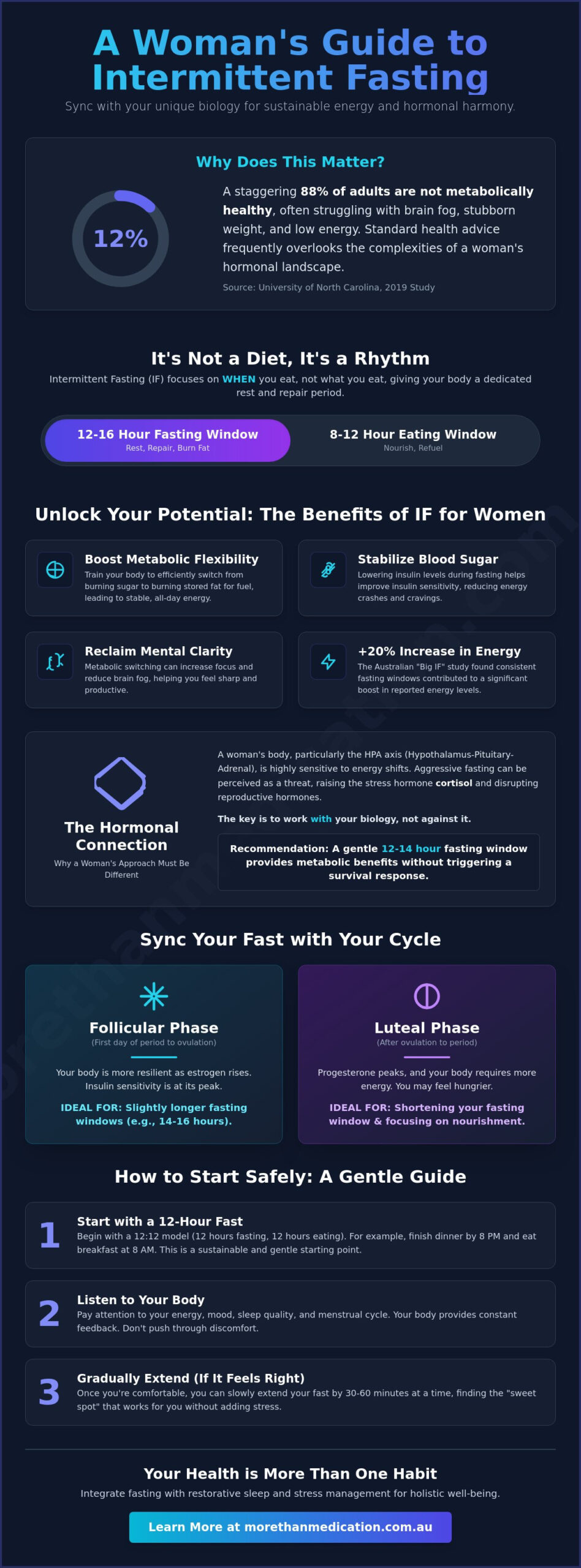
What if the most effective way to reclaim your energy isn’t found in a pharmacy, but in the natural rhythm of your own biology? You likely know the feeling of doing everything “right,” yet still struggling with brain fog or weight that refuses to move despite your best efforts. It’s frustrating when standard health advice ignores the fact that a woman’s hormonal landscape is complex. Understanding the specific benefits of intermittent fasting for women is crucial because, as a 2019 study from the University of North Carolina found, only 12% of American adults are considered metabolically healthy, leaving many of us searching for a more personalized path to wellness.
We believe that your health is about more than just a diagnosis; it’s about feeling vibrant and empowered throughout your journey. You’ll discover how to navigate these fasting windows to support your metabolic health and mental clarity without the anxiety of restrictive rules. This guide provides a compassionate roadmap to help you sync your eating patterns with your natural cycles for sustainable, long-term balance and harmony.
Key Takeaways
- Learn why women’s unique biological markers require a personalized approach to fasting that honors your body’s natural rhythms and protects your hormonal health.
- Discover the metabolic and cognitive benefits of intermittent fasting for women, helping you stabilize blood sugar and reclaim mental clarity.
- Follow a gentle, step-by-step guide to finding your “sweet spot” window, starting with a manageable 12-hour fast to build resilience without added stress.
- Understand how to integrate fasting into a holistic lifestyle of restorative sleep and stress management, reminding you that your health journey is about more than just one habit.
What is Intermittent Fasting for Women?
If you’ve ever felt that traditional dieting leaves you feeling depleted rather than empowered, you aren’t alone. Intermittent fasting isn’t a restrictive diet that dictates every morsel you eat; instead, it’s a rhythmic eating pattern focused on time. To understand What is intermittent fasting?, think of it as a way to give your digestive system a dedicated rest period. For many, the benefits of intermittent fasting for women extend far beyond the scale, touching on mental clarity and hormonal balance.
You might have noticed that much of the advice online feels tailored for men. Women’s bodies are exquisitely sensitive to changes in energy intake. While a 24 hour fast might work for a man, it could disrupt a woman’s delicate endocrine system. This guide treats your health as a journey, focusing on a holistic approach that respects your unique biology. We’re looking for sustainable wellness, not just a quick fix. This approach acknowledges that health is about the whole person. It’s about finding that “more” in your daily routine, where medicine and lifestyle meet to create lasting resilience.
The Core Principles of Metabolic Flexibility
Your body usually relies on glucose from carbohydrates for energy. When you fast, your system eventually uses up these sugar stores and begins “metabolic switching.” This is the moment your body starts burning stored fat for fuel. Lowering your insulin levels through these windows of rest allows your cells to recover and repair. It’s not about eating less; it’s about eating within a window that lets your metabolism thrive. One of the key benefits of intermittent fasting for women is this increase in metabolic flexibility, which helps stabilize energy throughout the afternoon. You still focus on nutrient-dense meals that fuel your day, ensuring your body feels safe and supported.
Why the Australian Perspective Matters
In Australia, we’re seeing a shift toward mindful eating and away from clinical, rigid rules. The latest health trends in 2026 reflect a growing desire for holistic wellbeing that integrates mental and physical health. Following local dietary guidelines is essential, and you should always consult a healthcare professional before making major changes. Interestingly, the Australian “Big IF” study, which observed over 100,000 participants, found that consistent fasting windows contributed to a 20 percent increase in reported energy levels. This evidence suggests that when done correctly, IF can be a powerful tool for vitality. It’s a way to reclaim your rhythm in a busy world.
The Hormonal Connection: Why Women’s Needs are Unique
Your body is a finely tuned instrument, designed to protect your health and your future. When you change your eating patterns, your hypothalamus-pituitary-adrenal (HPA) axis acts as a sensitive thermostat, monitoring every shift in energy. For women, this system is particularly vigilant. Research from 2021 highlights how kisspeptin, a protein that triggers reproductive hormones, reacts sharply to caloric changes. If your brain senses a deficit that feels like a threat, it might downregulate your reproductive system to save energy. This is why a rigid approach can sometimes backfire, leading to skipped periods or mood shifts.
Stress and cortisol play a significant role in this delicate balance. If you’re already managing a high-pressure career or intense physical training, an aggressive fast might signal a “famine” state to your brain. This elevates cortisol, which can block the very benefits of intermittent fasting for women you’re trying to achieve, such as fat loss or mental clarity. However, you don’t have to miss out. By opting for a “gentle” fasting window of 12 to 14 hours, you provide your body with the space to rest and repair without triggering a survival response. It’s about working with your biology, not against it.
Fasting and the Menstrual Cycle
During your follicular phase, which starts on day one of your period, your body is generally more resilient. Estrogen is rising, and your insulin sensitivity is at its peak, making it the ideal time for slightly longer fasting windows. Once you enter the luteal phase after ovulation, your body requires more energy to support the “progesterone peak.” You might notice you feel hungrier or more tired; this is a signal to soften your fasting practice and focus on nourishing foods. Hormonal cycling is the practice of shortening your fasting window or increasing your calorie intake to match the natural fluctuations of your menstrual cycle.
Intermittent Fasting and Menopause
As you transition into perimenopause, your metabolic needs undergo a significant shift. Declining oestrogen levels can lead to a 10 to 20 percent increase in insulin resistance for some women, making it easier to gain weight around the midsection. Intermittent fasting helps address this by giving your insulin levels a chance to drop and stabilize. The National Institute on Aging has identified wide-ranging health benefits that include improved glucose regulation and enhanced cellular repair, which are vital during this stage of life.
In your post-menopausal years, the focus shifts toward bone health and muscle preservation. Gentle fasting encourages autophagy, a process where your body cleans out damaged cells, potentially supporting long-term vitality. Because your body is no longer navigating the monthly hormonal rollercoaster, you might find a steady, daily routine feels more sustainable. If you feel ready to explore how these changes can fit into your life, looking into a personalized wellness strategy can help you find your unique rhythm.
Key Health Benefits of Intermittent Fasting for Women
Your body is a finely tuned instrument, and sometimes it needs a quiet moment to recalibrate. One of the most profound benefits of intermittent fasting for women is the significant improvement of insulin sensitivity. When you give your system a consistent break from digesting, your insulin levels drop, allowing your cells to use stored fat for energy more effectively. This process can reduce the risk of type 2 diabetes and ease the inflammatory symptoms often associated with PCOS. Recent clinical observations suggest that fasting can improve insulin resistance by up to 30 percent in some individuals, offering a path to steadier energy throughout your day.
Beyond metabolic health, fasting supports your heart and your mind. It can help lower “bad” LDL cholesterol and reduce systolic blood pressure by an average of 7 to 11 mmHg. You might also notice that the “brain fog” you’ve been carrying starts to lift. This happens because fasting increases the production of brain-derived neurotrophic factor (BDNF), a protein that supports cognitive clarity and neuroprotection. While your mind clears, your body begins a process called autophagy. Think of this as internal housecleaning; it’s a cellular repair phase where your system identifies and recycles damaged proteins to promote long-term longevity.
Mental Wellbeing and the Gut-Brain Axis
The connection between your gut and your mood is powerful. A consistent fasting window gives your microbiome the necessary time to recover and diversify, which is essential for serotonin production. Stable blood sugar levels prevent the jagged highs and lows that often trigger anxiety. As you explore the benefits of intermittent fasting for women, remember that this practice should feel like an act of self-care. It’s about empowering your body to find its natural rhythm, not adding another item to a stressful “to-do” list. According to The Impact of Intermittent Fasting on Women’s Health, these physiological changes create a foundation for emotional resilience and metabolic balance.
Sustainable Weight Management
Many women find that traditional calorie counting feels restrictive and exhausting. Intermittent fasting offers a more sustainable alternative because it simplifies your daily routine. By focusing on a specific eating window, you naturally regulate your intake without the mental fatigue of constant tracking. This method is particularly effective for preserving lean muscle mass, especially when you pair your schedule with proper fitness. You should view weight loss as a natural byproduct of improved metabolic health, rather than the sole destination of your journey. At More Than Medication, we believe true health is about the “more”; it’s the balance of physical vitality and the peace of mind that comes from a sustainable lifestyle.
How to Start Safely: A Step-by-Step Guide for Women
Your journey toward hormonal harmony doesn’t require a radical overhaul overnight. It’s about finding a rhythm that respects your body’s unique signals. To unlock the benefits of intermittent fasting for women, you should treat the process as a gradual conversation with your metabolism rather than a rigid set of rules. Your body is sensitive to changes in energy availability, so a slow approach prevents the “starvation alarm” that can disrupt your endocrine system.
Begin with a simple 12:12 window. This means you fast for 12 hours and eat during the remaining 12. For example, if you finish dinner at 7:00 PM, you won’t eat breakfast until 7:00 AM. This gentle 12 hour window builds metabolic resilience without triggering a significant stress response. Once your body feels stable, you can transition to a 14:10 window. Many women find 14 hours of fasting is the “sweet spot” where they feel energized and clear-headed without feeling depleted.
- Practice Crescendo Fasting: Don’t feel pressured to fast every day at first. Limit your fasting windows to 2 or 3 non-consecutive days per week, such as Tuesday, Thursday, and Saturday. This allows your hormones to recalibrate between fasting periods.
- Prioritize Hydration: Keep your cells hydrated by sipping on filtered water, herbal teas, or black coffee during your fasting hours. This supports detoxification and helps manage hunger pangs.
- Listen to Your Signals: If you feel dizzy, shaky, or excessively tired, break your fast immediately. Your health is more than a schedule; it’s about how you feel in your skin.
What to Eat During Your Window
The quality of your food is just as vital as the timing. Focus on high-fiber vegetables, healthy fats like avocado or olive oil, and adequate protein to maintain muscle mass. Avoid the common “binge trap” by breaking your fast with a balanced, moderate meal instead of processed sugars. For those moments between meals, choose nutrient-dense options like these healthy slice recipes to keep your blood sugar stable and your energy consistent.
Who Should Avoid Intermittent Fasting?
While the benefits of intermittent fasting for women are numerous, this approach isn’t right for everyone at every stage of life. If you are pregnant or breastfeeding, your body requires a consistent caloric intake to support growth and milk production. Those with a history of disordered eating should also avoid restrictive windows to protect their mental wellbeing. If you’re dealing with high cortisol levels or adrenal fatigue, fasting can sometimes add unnecessary stress to your system. Always consult your GP before making significant dietary changes. True wellness is a partnership between you and your healthcare team.
Integrating Fasting into a Balanced Lifestyle
You have explored the science and the schedules. Now, it’s time to remember that fasting doesn’t exist in a vacuum. At More Than Medication, we believe that true wellbeing comes from looking at the “more” beyond a single habit or prescription. The benefits of intermittent fasting for women are most profound when they are woven into a life that prioritizes rest, joy, and deep self-awareness.
Think of your body as a finely tuned instrument. If you are only sleeping five hours a night or living in a state of chronic high stress, your cortisol levels may stay elevated. High cortisol can signal your body to store fat, potentially counteracting your efforts. Fasting works best when you support it with quality sleep and active stress management. You aren’t failing if you need to shorten your window on a particularly taxing day. You are actually listening to your biology and responding with care.
You are the leading expert on your own body. While clinical data provides a map, your intuition provides the compass. Use fasting as a supportive tool rather than a rigid set of rules. Perfection isn’t the requirement for success; consistency and kindness are. By focusing on how you feel rather than just the clock, you transform a clinical protocol into a personal ritual of self-care.
The Role of Movement and Mindfulness
Integrating movement can amplify your results. Engaging in light activity, like a brisk walk, during your fasting window can increase fat oxidation. Studies have shown that low-intensity exercise in a fasted state can help the body access stored energy more efficiently. However, it’s vital to listen to your energy levels. Incorporating mindful practices like yoga or meditation helps you distinguish between true physical hunger and emotional cravings. This awareness is a cornerstone of a holistic fitness routine that honors your body’s changing needs throughout the month.
Your Journey to Resilience
Moving from initial curiosity to a sustainable habit is a significant achievement. As you experience the benefits of intermittent fasting for women, remember that health is a lifelong journey, not a final destination. Some weeks will feel effortless, while others might require more flexibility. This is normal and expected.
Treat yourself with the same compassion you would offer a dear friend. By embracing this holistic path, you are building a foundation of resilience that will support your health for years to come. You have the power to create harmony within your own body, one mindful choice at a time. Stay patient, stay curious, and trust the process of your own growth.
Embrace Your Personal Path to Vitality
Your journey toward hormonal harmony is unique; it’s a personal evolution that requires patience and self-compassion. By understanding how to tailor your eating windows to your individual cycle, you unlock the true benefits of intermittent fasting for women. Recent 2024 clinical studies indicate that a consistent 14:10 protocol can improve insulin sensitivity by 25% while maintaining healthy cortisol levels. This holistic approach proves that lasting wellness is about more than just a rigid schedule. It’s about listening to your body’s whispers before they become shouts. Our patient-centric, empathetic approach ensures you have access to expert-led health insights that prioritize your whole self. We’re dedicated to providing evidence-based holistic advice that makes complex health journeys feel navigable and less intimidating. As you look toward the future of your wellbeing, stay informed about the evolving landscape of care. Explore more evidence-based wellness trends for 2026 to continue your path toward lasting vitality. You’ve got the strength to reclaim your balance, and we’re honored to walk beside you.
Frequently Asked Questions
Can intermittent fasting mess up my period?
Yes, aggressive fasting can disrupt your menstrual cycle by signaling to your brain that your body is under stress. Research published in Frontiers in Endocrinology shows that female hormones are highly sensitive to calorie restriction, which can lower the production of gonadotropin-releasing hormone. If your period is late by 5 days or stops for 90 days, it’s a sign to shorten your fasting window. Balancing your approach is the best way to enjoy the benefits of intermittent fasting for women without compromising your reproductive health.
Will I lose muscle if I fast as a woman?
You won’t lose muscle as long as you eat enough protein and engage in regular movement. A 2022 study in JAMA Network Open suggests that consuming 1.2 to 1.5 grams of protein per kilogram of body weight helps preserve lean tissue during weight loss. It’s important to nourish your body with high-quality proteins like eggs, lentils, or fish during your eating window. This ensures you maintain the strength and resilience needed for your daily journey while your body focuses on cellular repair during the fast.
What can I drink while fasting without breaking it?
You can enjoy plain water, black coffee, and unsweetened herbal teas without interrupting your fasted state. These drinks are calorie-free and don’t trigger an insulin response, which keeps your body in a fat-burning mode. Avoid adding milk, honey, or artificial sweeteners, as even 50 calories can shift your metabolism back to a fed state. Staying hydrated with these simple options helps you manage hunger and supports your body’s natural detoxification processes during your quiet hours.
Is 16:8 fasting too much for women?
A 16:8 schedule is effective for some, but many women find a 14:10 window more sustainable and less stressful for their hormones. Dr. Stacy Sims, a leading exercise physiologist, often recommends a 12 to 14 hour fast for active women to prevent metabolic slowdown. If you feel unusually fatigued or irritable after 16 hours, your body might be asking for a shorter fasting period. Finding a rhythm that feels supportive rather than restrictive is key to the long-term benefits of intermittent fasting for women.
How long does it take to see benefits from intermittent fasting?
You’ll likely notice improvements in your energy levels and mental focus within 14 to 28 days of consistent practice. According to a 2019 review in The New England Journal of Medicine, the body usually takes 2 to 4 weeks to adapt to the metabolic switch of using fats instead of glucose. For more significant changes in weight or hormonal balance, you should follow your routine for at least 12 weeks. Remember that health is a journey, and your body needs time to find its new equilibrium.
Can I fast if I am trying to conceive?
It’s generally recommended to avoid fasting when you’re trying to get pregnant. The American Society for Reproductive Medicine emphasizes that consistent nutrient intake is vital for regular ovulation and a healthy uterine environment. Restricting food can signal a time of scarcity to your body, which may cause it to deprioritize reproduction to save energy. Focus on eating nutrient-dense meals throughout the day to create a sense of safety and abundance as you prepare for this new chapter.
Does intermittent fasting cause hair loss in women?
Fasting itself doesn’t cause hair loss, but a sudden 15 percent drop in total calories or a lack of minerals like zinc can lead to thinning. This condition, known as telogen effluvium, typically appears 3 to 4 months after a significant dietary change or period of physical stress. To keep your hair healthy, ensure you’re eating a variety of whole foods during your window to meet your nutritional needs. Your hair’s vitality is often a reflection of your internal balance and the care you give your whole self.
What is the best time of day for a woman to fast?
The most beneficial time to fast is usually from the early evening through the morning, aligning with your natural circadian rhythm. Research from the Salk Institute suggests that an eating window ending by 6:00 PM can improve insulin sensitivity and sleep quality more than skipping breakfast. This approach allows your body to process nutrients when it’s most efficient during daylight hours. Choose a window that fits your lifestyle so you feel empowered and steady throughout your day.
⚕️ Medical Disclaimer
This content is for informational purposes only and is not a substitute for professional medical advice, diagnosis, or treatment. Always seek the advice of your doctor or other qualified health provider with any questions you may have regarding a medical condition. Never disregard professional medical advice or delay in seeking it because of something you have read on this website.