
What if that A$14 cold-pressed bottle from the local cafe isn’t the miracle cure the vibrant label suggests? You’ve likely felt the frustration of standing in the supermarket aisle, staring at expensive options and wondering if juicing green juice is actually worth the effort or just another passing fad. It’s exhausting to filter through the noise of wellness trends when you simply want to feel more energetic. We understand that your health is a deeply personal journey, and medicine is often just one piece of the puzzle that keeps you moving forward.
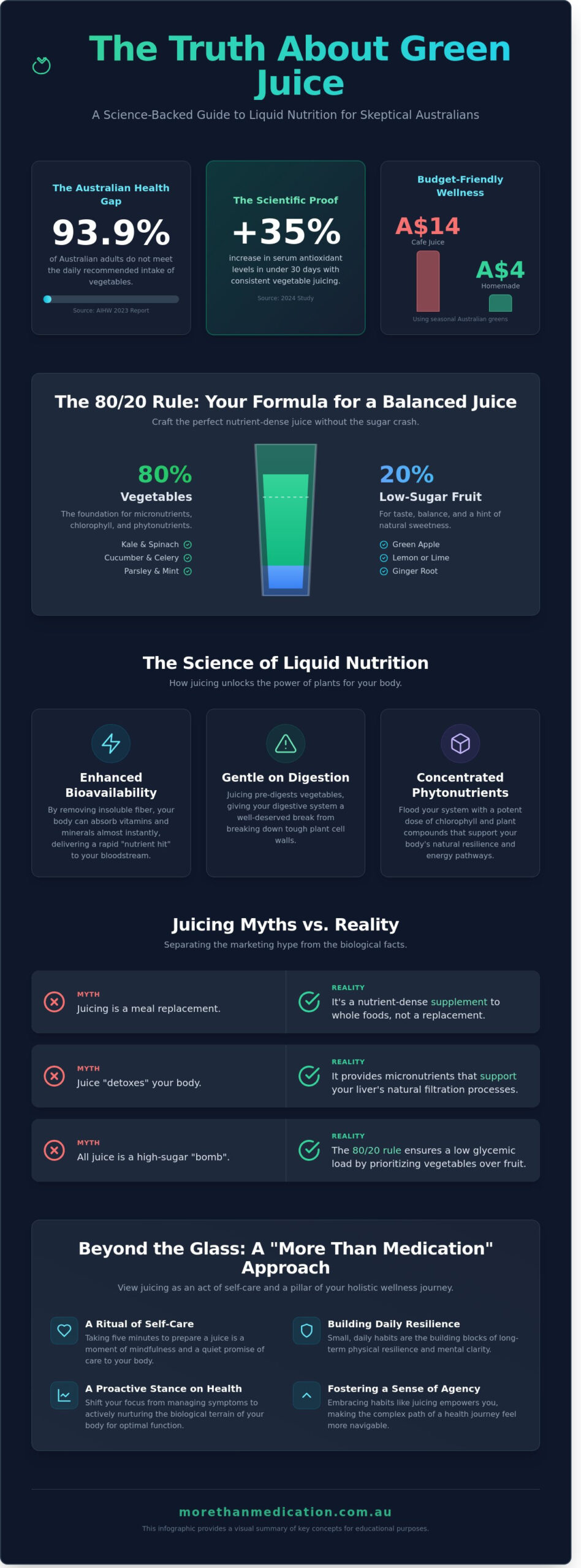
You’re right to be skeptical of the hype, but the science behind liquid nutrition is compelling when you move beyond the marketing. A 2024 study showed that consistent vegetable juicing can increase serum antioxidant levels by 35% in under thirty days. This guide promises to help you master a sustainable routine that respects your budget and your body’s needs. You’ll learn how to bridge the “fiber gap,” utilize A$4 bunches of seasonal Australian greens, and understand the biological reasons why these nutrients offer a powerful sense of empowerment and resilience.
Key Takeaways
- Understand how liquid nutrition enhances bioavailability, helping your body absorb vital nutrients quickly to support your daily resilience and energy.
- Master the 80/20 rule to create balanced, vegetable-forward recipes that nourish your body without the sugar crashes often found in store-bought options.
- Discover how juicing green juice can act as a gentle bridge to deeper lifestyle changes, connecting your physical nutrition with a sense of mental calm.
- Navigate the Australian landscape with confidence by selecting the right cold-press equipment and sourcing the freshest seasonal produce from local growers.
- Learn to integrate these liquid nutrients into your broader health journey, viewing them as a supportive companion to your overall wellbeing.
What is Green Juice and Why Does it Matter for Your Wellness Journey?
You’re likely reading this because you feel there’s a missing piece in your health puzzle. Standard nutrition provides a foundation; however, many Australians find themselves seeking a level of vitality that goes beyond the basics. Juicing green juice isn’t about following a fleeting trend or chasing a “quick fix” for deep-seated health concerns. Instead, it represents a concentrated liquid extract of micronutrients, vitamins, and minerals pulled directly from leafy greens and vibrant vegetables. By removing the insoluble fiber, you allow your digestive system a momentary rest while flooding your bloodstream with essential phytonutrients.
At its core, understanding what juice is helps clarify its role in a balanced lifestyle. It’s a bridge between your current state and a more resilient version of yourself. According to the Australian Institute of Health and Welfare (AIHW) 2023 report, only 6.1 percent of adults meet the daily recommended intake of vegetables. This staggering gap highlights why a concentrated nutrient boost is so valuable. We view this practice as a proactive choice that supports your body’s natural functions rather than a restrictive “detox” that relies on marketing hype.
We believe in a philosophy where health is “More Than Medication.” While clinical treatments are often vital, they are rarely the whole story of a patient’s wellbeing. Embracing the habit of juicing green juice allows you to take an active role in your recovery and maintenance. It shifts the focus from managing symptoms to nurturing the biological terrain of your body. This proactive stance fosters a sense of agency, making the complex path of a health journey feel more navigable and less intimidating.
The “More Than” Approach to Juicing
Choosing to juice is a ritual of self-care that fits into the fast-paced Australian lifestyle. Whether you are in a bustling city or a quiet coastal town, taking five minutes to prepare a fresh juice serves as a moment of mindfulness. It’s a quiet promise to yourself. These small, daily habits are the building blocks of long-term resilience. We look at the whole person; your mental clarity and emotional stability are just as important as your physical stats. A morning green juice can be the anchor that keeps you grounded throughout a stressful day.
Common Misconceptions: Myth vs. Reality
One frequent misunderstanding is the idea that juice should replace your breakfast or lunch. We want to be clear: your body needs whole foods and fiber to function optimally. Many people also worry about “sugar bombs” when they think of juice. You can easily manage this by maintaining a ratio of 80 percent vegetables to 20 percent low-sugar fruits like green apples or lemons. This balance ensures you receive the benefits without a spike in blood glucose. Green juice is a supplemental nutrient boost designed to flood your system with vitamins, not a primary calorie source intended to replace your daily meals.
- Myth: Juicing is a meal replacement. Reality: It is a nutrient-dense supplement.
- Myth: Juice “detoxes” the liver. Reality: It provides the micronutrients your liver needs to perform its natural filtration.
- Myth: All juice is high in sugar. Reality: Savvy ingredient choices keep the glycemic load low.
By shifting your perspective from “restriction” to “addition,” you create a sustainable path forward. You aren’t taking things away; you are adding the vibrant, life-giving nutrients your cells crave. This approach reduces the anxiety often associated with dietary changes and replaces it with a sense of partnership between you and your body.
The Science of Liquid Nutrition: Bioavailability and the Fiber Debate
You might feel a bit hesitant about the idea of liquid meals. It’s a common concern when you first explore the world of wellness. When you start juicing green juice, you’re essentially pre-digesting your vegetables. This process separates the liquid gold from the tough cell walls of plants. It gives your digestive system a well-deserved break. By removing the insoluble fiber, your body can instantly access vitamins and minerals that are often locked away. This “nutrient hit” reaches your bloodstream faster than a solid salad ever could.
Green vegetables are packed with chlorophyll and phytonutrients. These compounds are the lifeblood of the plant, and they offer incredible support for your own cellular health. Chlorophyll is molecularly similar to human hemoglobin. Consuming it in a concentrated liquid form helps support oxygen transport and energy levels. It’s a gentle way to nourish yourself from the inside out, especially during times when you feel physically or emotionally depleted.
Understanding Bioavailability
Bioavailability refers to the proportion of a nutrient that is digested, absorbed, and used by your body. In a liquid state, these nutrients don’t need to wait for your stomach to grind down heavy plant matter. For the 1 in 7 Australians who experience distressing gut symptoms or “leaky gut,” this reduced digestive load can be a relief. Research into the science behind juicing suggests that while some fiber is lost, the concentration of heat-sensitive antioxidants remains high.
Drink your juice on an empty stomach to get the most out of every sip. Wait at least 20 minutes before eating your next meal. This allows the liquid nutrients to pass through the stomach and reach the small intestine without competition. It’s a small habit that ensures your body absorbs the maximum amount of magnesium, potassium, and Vitamin K possible.
The Fiber Gap: How to Balance Your Diet
Let’s address the most common objection: “What about the fiber?” Fiber is essential for your bowel health and managing cholesterol levels. You can’t and shouldn’t replace whole vegetables entirely. The 2017-18 National Health Survey revealed that a staggering 93% of Australians don’t eat the recommended five serves of vegetables daily. Juicing green juice is a powerful tool to bridge that gap, but it works best as a supplement to a plant-rich diet.
Think of your juice as a daily tonic rather than a total meal replacement. You still need the roughage from whole grains, legumes, and intact veggies to keep your gut microbiome thriving. If you’re worried about waste, don’t throw away the leftover pulp. You can fold it into veggie burger patties or mix it into a bolognese sauce. Some people even dehydrate the pulp to create savory crackers. This ensures you’re still hitting the 25 to 30 grams of fiber recommended by Australian health guidelines. Finding this sense of balance is key to a sustainable health journey. It’s about adding more life to your day, not restricting your choices.
- Bioavailability: Liquid form allows for 15-minute absorption times compared to hours for solid food.
- Digestive Rest: Removes the mechanical work of digestion for those with sensitive systems.
- Phytonutrient Density: Delivers a concentrated dose of antioxidants in a single glass.
- Pulp Upcycling: Use leftover fiber in cooking to ensure zero-waste nutrition.
The 80/20 Rule: Crafting a Balanced Green Juice Formula
Starting a new health habit can feel like a lot to take on. You want the benefits of juicing green juice without the sugar crash that often follows store-bought varieties. The 80/20 rule is your safety net. By keeping 80% of your ingredients as vegetables and only 20% as fruit, you protect your body from insulin spikes. A 2021 study on glycemic loads showed that liquid sugar enters the bloodstream significantly faster than solid fruit. Using low-glycemic options like green apples, lemons, or limes keeps the flavour bright without the heavy sugar load that comes from pineapples or oranges.
The 80/20 ratio isn’t just about taste; it’s about metabolic respect. When you remove the fibre from produce, your body processes the remaining liquid almost instantly. If that liquid is mostly fruit, you’re essentially drinking a soda’s worth of sugar, even if it’s “natural.” Sticking to this ratio ensures you receive a concentrated dose of vitamins while keeping your energy levels steady throughout the day. It’s a gentle way to support your body’s natural rhythms.
The Essential Formula
Think of your juice in three layers to keep things simple. First, you need a Base. Use cucumber or celery. These are roughly 95% water and provide the hydration and volume you need for a full glass. Second, add your Greens. Reach for a handful of spinach, kale, or silverbeet. These provide the deep phytonutrients and minerals your body craves. Third, include the Kick. A 2cm knob of ginger or a squeeze of lemon adds zest and anti-inflammatory power. This structure ensures your juice is always hydrating, nutrient-dense, and balanced.
Selecting Your Ingredients for Balance
Your liver loves a challenge. Bitter greens like dandelion or arugula stimulate bile production, which helps your body process fats more effectively. Research into the science of juicing suggests that these concentrated nutrients can support metabolic health when consumed as part of a varied, whole-food diet. If the bitterness feels too intense at first, start with 90% cucumber and slowly increase the darker greens as your palate adjusts. It’s a journey of discovery for your taste buds.
Variety is also your best friend for safety. You shouldn’t stick to the same kale recipe every single morning. Plants contain tiny amounts of natural compounds called alkaloids to protect themselves. If you consume the same green for 30 days straight, these can build up in your system and potentially interfere with thyroid function. Switch from kale to bok choy or parsley every seven to ten days. This rotation ensures you get a broader spectrum of nutrients while giving your body a break from specific plant compounds.
In Australia, certain crops are sprayed more heavily than others. Spinach and kale often top the “Dirty Dozen” lists for pesticide residues. Choosing organic for these staples might cost an extra A$3.50 per bunch at your local market, but it reduces your exposure to synthetic chemicals. If your budget is tight, prioritise organic leafy greens while sticking to conventional cucumbers or lemons. You can peel conventional cucumbers to remove most surface residues, making juicing green juice both a healthy and cost-effective choice for your daily routine.
From Prep to Pour: An Australian Guide to Juicing at Home
Embracing a new wellness habit is a deeply personal journey. It’s a commitment to your long-term vitality that goes beyond simple dietary changes. When you begin juicing green juice, you’re creating a ritual of self-care that nourishes your body at a cellular level. This process doesn’t have to be complicated or overwhelming. By focusing on a few intentional steps, you can transform your kitchen into a space of healing and rejuvenation.
Choosing Your Juicer in Australia
Your choice of equipment depends on your budget and how much time you can dedicate to the process. Cold-press or masticating juicers are often the preferred choice for those seeking maximum nutrient density. These machines use a slow-turning screw to crush produce, which prevents heat buildup and limits oxidation. You can expect to pay between A$450 and A$900 for a high-quality Australian model like a Kuvings or Hurom. These machines are excellent for leafy greens, though they require a bit more patience.
Centrifugal juicers offer a faster, more budget-friendly entry point, typically costing between A$120 and A$300. They use high-speed spinning blades to separate juice from pulp. While they’re incredibly efficient for busy mornings, the friction can generate slight heat, which may degrade some delicate enzymes. If you’re not ready to buy a dedicated machine, don’t let that stop you. You can blend your greens in a standard high-speed blender and strain the liquid through a A$15 nut milk bag for a smooth result.
Seasonal Juicing Down Under
Sourcing local produce ensures you’re getting the highest vitamin content while supporting Australian farmers. Our climate offers a diverse bounty that changes with the seasons. Using what’s grown nearby reduces the time from farm to glass, which is vital for maintaining those sensitive antioxidants. Here is how to align your juicing green juice routine with the Australian calendar:
- Winter (June to August): Focus on hardy Victorian silverbeet, kale, and crisp Tasmanian apples. This is also the peak time for citrus from the Riverland region to add a Vitamin C boost.
- Spring (September to November): Incorporate fresh spinach and celery from South Australia. Adding a hint of West Australian lemon can brighten the earthy tones of spring greens.
- Summer (December to February): Stay hydrated with cucumbers and mint. This is the best time for tropical Queensland ginger to add a spicy, anti-inflammatory kick.
- Autumn (March to May): Transition with pears and beetroot, which offer a grounded, earthy sweetness as the weather cools.
Efficiency in the kitchen reduces the mental load of maintaining a healthy routine. Start by washing your produce in a solution of one part white vinegar to nine parts water to remove surface residues. Chop your ingredients into sizes that fit your specific machine’s chute to prevent motor strain. When you’re ready to press, alternate between soft leafy greens and harder items like celery or carrots. This technique helps push the fibrous greens through the mechanism, ensuring you get every drop of liquid gold.
Freshness is the golden rule of juicing. The moment the juice leaves the plant, it begins to lose nutritional value due to light and air exposure. Try to drink your creation within 15 minutes for the best results. If you need to prep for a busy workday, store your juice in a glass airtight container. Fill it right to the very brim to squeeze out any remaining oxygen and keep it in the fridge. Even with these precautions, aim to consume it within 24 hours to ensure you’re still receiving the holistic benefits you deserve.
Small, consistent actions are the foundation of a resilient lifestyle. If you’re looking for more ways to support your physical and mental wellbeing, explore our resources on mindful living and holistic health.
Beyond the Glass: Integrating Juicing into Your Wellness Journey
Starting your day with a nutrient dense drink is a powerful signal to yourself that your health matters. While juicing green juice provides a concentrated burst of vitamins, its real value lies in how it bridges the gap between where you are and where you want to be. It’s a small, manageable win that often leads to better choices at lunch and dinner. This ripple effect is what transforms a temporary habit into a sustainable lifestyle that feels natural rather than forced.
On days when time is short, other forms of supplementation can help maintain this consistency. Online health stores provide accessible options, and you can explore a range of products at vitalsupply24.myshopify.com.
Before making significant changes to your intake, schedule a chat with your GP or an Accredited Practising Dietitian. This is vital if you manage conditions like type 2 diabetes or chronic kidney disease, as the concentrated sugars or potassium levels in some juices may require careful monitoring. In Australia, approximately 50 percent of adults live with at least one chronic condition, making professional guidance a cornerstone of safe wellness. Your healthcare provider can help you tailor your ingredients to your specific blood profile and health goals.
This proactive management of your health is crucial, especially when your journey takes you far from home. For those who need non-emergency medical support during travel or repatriation, specialized services like RN MEDflights can provide essential care and coordination.
Juicing and Mental Wellbeing
There is a profound connection between your digestive health and your mood. Researchers have found that about 95 percent of your serotonin, the hormone that regulates sleep and appetite, is produced in your gastrointestinal tract. By flooding your system with plant based nutrients, you support the gut-brain axis, which can lead to improved resilience against daily stress. You’re feeding your mind by nourishing your gut.
Beyond the biology, the act of juicing creates a mindful morning ritual. It offers you 10 minutes of calm and control before the workday begins. You’re not just consuming vitamins; you’re actively participating in your care. This sense of empowerment comes from knowing exactly what goes into your body, free from the hidden preservatives found in store bought alternatives that often line supermarket shelves.
This proactive approach to physical health often complements the journey of nurturing one’s mental and emotional wellbeing. For women seeking dedicated support in this area, resources like Female Focused Therapy offer professional guidance and psychotherapy.
Taking the Next Step
You don’t need to overhaul your entire kitchen overnight. Start with one 250ml glass of green juice each morning for 30 days. This period is long enough to move past the “fad” phase and see how your body actually responds to the change. To make the most of this journey, try tracking your progress in a simple journal to see the tangible results of your efforts:
- Energy Patterns: Monitor your energy levels at 3:00 PM to see if the common afternoon slump diminishes after 14 days.
- Skin Health: Observe changes in skin clarity or hydration over a 4 week period as your micronutrient intake increases.
- Palate Shifts: Note how your cravings for processed sugars change as your taste buds adjust to the earthy, natural flavours of leafy greens.
True health is always about the “more.” It’s more than just the liquid in your glass; it’s about the sleep you get, the way you move, and the kindness you show yourself during the process. Focus on holistic balance rather than perfection. By viewing juicing green juice as one piece of a larger puzzle, you create a foundation for lasting vitality that supports both your physical and emotional self. You’re not just drinking a juice; you’re investing in a more resilient version of you.
When it comes to movement, practices like classical Pilates can build a strong foundation for physical resilience. For those interested in this authentic approach, studios like AM RADIO provide a fantastic example of a dedicated, holistic practice.
This journey toward holistic wellbeing is often strengthened by having the right support system. For those seeking personalized guidance and community connection to enhance their independence and resilience, you can discover Mighty Mentors WA.
Embracing Your Liquid Wellness Path
Adopting the habit of juicing green juice is about more than just a morning drink; it’s a commitment to your long-term vitality. By sticking to the 80/20 rule, you ensure your body receives a concentrated dose of micronutrients without the 15 gram sugar spikes often found in fruit-heavy blends. Evidence shows that liquid nutrition can be absorbed in as little as 20 minutes, giving your digestive system a gentle rest while flooding your cells with life-sustaining enzymes. This small, daily ritual acts as a bridge between clinical care and your everyday lifestyle, helping you feel more resilient and empowered in your body.
Your wellness journey is unique, and you don’t have to navigate it alone. We provide expert-led insights tailored to 2026 Australian health trends and evidence-based advice that looks at the whole person. We understand that medicine is only one piece of the health puzzle, and our supportive community is here to guide your physical and mental wellbeing. Explore more expert-led nutrition and wellness guides at More Than Medication. You’re making incredible progress, and we’re here to help you keep moving forward with confidence and hope.
Frequently Asked Questions
Is it better to juice or blend green vegetables?
Juicing and blending both offer unique benefits for your wellness journey, so the best choice depends on your personal health goals. Juicing removes the insoluble fiber to provide your digestive system with a gentle rest while delivering a concentrated burst of vitamins directly into your bloodstream. Blending keeps the fiber intact, which helps you feel full and supports gut health. Many Australians find that rotating both methods creates a balanced approach to their daily nutrition and helps them maintain long-term vitality.
Can I drink green juice if I have type 2 diabetes?
You can safely incorporate green juice into your life with type 2 diabetes by focusing on low-glycemic vegetables like cucumber, celery, and leafy greens. It’s vital to keep fruit content to less than 10 percent of your total recipe to avoid significant blood sugar spikes. According to Diabetes Australia, monitoring your total carbohydrate intake is essential for maintaining stability. Always consult your GP or a credentialed dietitian to ensure your juicing habits align with your specific medication and treatment plan.
What is the best time of day to drink green juice?
Drinking your juice first thing in the morning on an empty stomach allows your body to absorb the nutrients most efficiently. This morning ritual acts as a calm, nourishing start to your day and provides a natural energy lift without the jittery effects of caffeine. Aim to wait 20 to 30 minutes before eating a solid breakfast. This small window of time gives your system the space it needs to process the enzymes and minerals, supporting your physical resilience and mental clarity.
How long does homemade green juice stay fresh in the fridge?
Homemade juice is most potent when enjoyed immediately, but you can store it in the fridge for 24 to 48 hours in an airtight glass container. Nutrient degradation begins about 20 minutes after extraction due to light and air exposure. To protect the integrity of your juicing green juice routine, fill your storage jar to the very brim to minimize oxidation. This simple practice ensures your drink stays fresh and flavorful while you navigate the ups and downs of a busy week.
Will green juice help me lose weight?
Green juice serves as a supportive tool for weight management by replacing processed snacks with nutrient-dense, low-calorie hydration. A 2017 study published in Scientific Reports indicated that a 3 day juice regime could lead to an average weight reduction of 1.7 kilograms. However, lasting change is about the whole person rather than just a quick fix. Using juicing green juice as one part of a holistic lifestyle helps you feel more energized and empowered to make healthier choices throughout your day.
Can children drink green juice safely?
Children can enjoy green juice as a supplement to their diet, but it shouldn’t replace whole fruits and vegetables. For kids aged 1 to 6, the Australian Dietary Guidelines recommend limiting juice intake to a maximum of 120 milliliters per day. It’s a compassionate way to introduce bitter greens like kale to picky eaters in a manageable way. Always dilute the juice with 50 percent water to protect their developing tooth enamel and ensure the natural sugars don’t overwhelm their smaller systems. For parents exploring more comprehensive strategies for children’s wellness, it can be insightful to discover Houston Medical Wellness Clinic and understand what holistic programs entail.
What should I do with the leftover pulp from my juicer?
You can transform your leftover pulp into nutritious snacks or garden compost to ensure nothing from your produce goes to waste. Stir the fiber-rich remains into soup bases, fold them into muffin batters, or mix them into homemade veggie burgers for added texture. On average, juicing 1 kilogram of vegetables produces roughly 300 grams of pulp. Repurposing this byproduct is a mindful way to honor your ingredients and acknowledge that health is a journey that includes sustainable living and resourcefulness.