
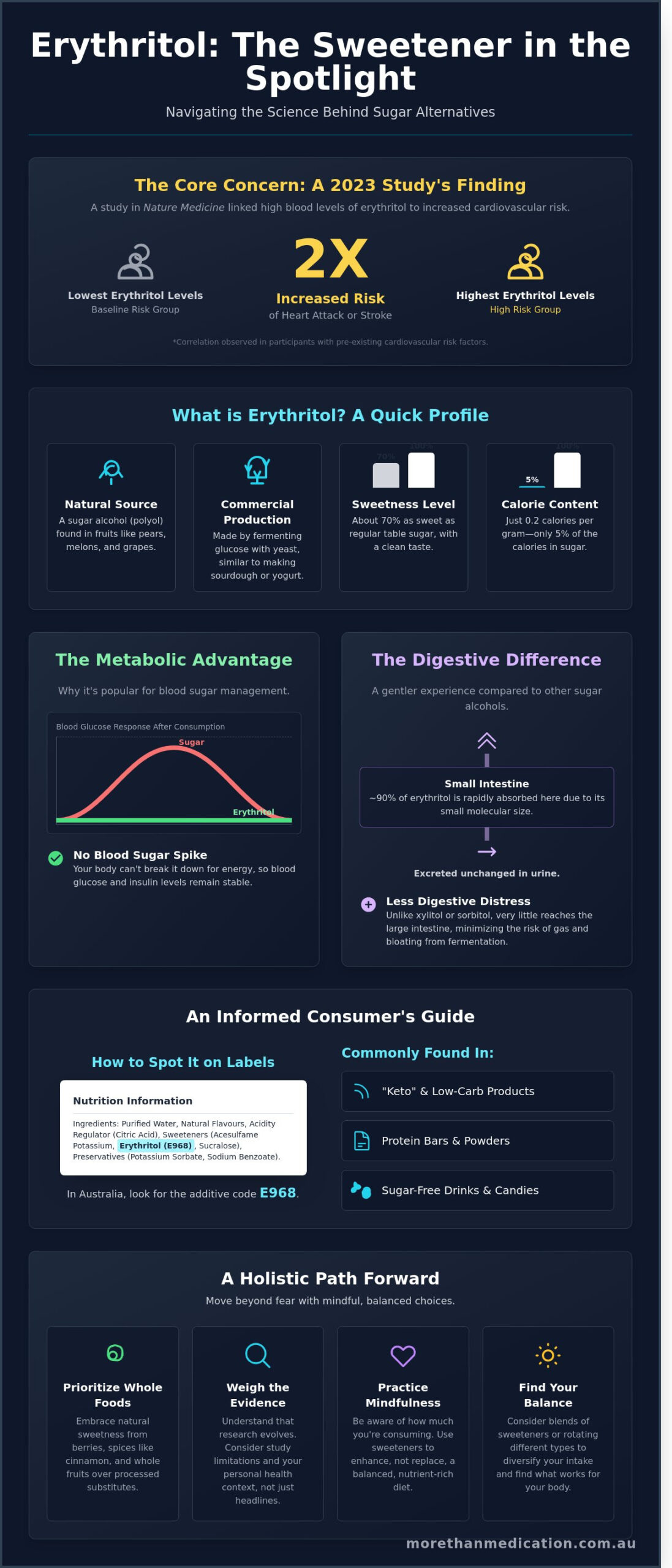
A 2023 study published in Nature Medicine revealed that people with the highest levels of erythritol in their blood were twice as likely to experience a major cardiac event compared to those with the lowest levels. This data can feel like a heavy weight when you’re simply trying to manage your blood sugar without sacrificing the joy of a sweet treat. You’ve likely felt that familiar sting of confusion when a food you trusted as safe suddenly makes headlines for being potentially harmful. It’s exhausting to keep up with the shifting tides of nutritional science while you’re just trying to nourish your body and find a sense of balance.
We’re here to help you move past the scary headlines and find a path forward that feels both safe and sustainable. Your health is more than a number. By looking at the most recent 2025 clinical findings and holistic health principles, we’ll provide the clarity you need to use sugar alternatives with confidence. You’ll learn how to weigh the metabolic benefits against the latest cardiovascular research so you can make choices that support your whole self. We’ll explore the science behind digestive comfort and heart health to ensure your journey toward wellness remains a steady and hopeful one.
Key Takeaways
- Gain a clear understanding of the science behind erythritol so you can confidently decide if this fermented sweetener has a place in your pantry.
- Calm your concerns by exploring the most recent cardiovascular findings, allowing you to weigh the evidence without the weight of anxiety.
- Find your ideal balance by comparing sugar alternatives and discovering how simple blends can create a more natural, satisfying taste.
- Embrace a holistic approach to health by learning to prioritize whole-food flavors like berries and cinnamon over processed substitutes.
- Reclaim the joy of treating yourself with actionable strategies that reduce guilt and foster a resilient, mindful connection to sweetness.
What is Erythritol? Understanding the Science of the “Perfect” Sweetener
If you’ve ever searched for a way to enjoy sweetness without the heavy emotional and physical toll of sugar, you’ve likely encountered a name that sounds more like a chemistry project than a pantry staple. Understanding What is Erythritol? helps demystify this ingredient. It’s a polyol, a type of carbohydrate naturally present in fruits like pears, watermelons, and grapes. To create the granulated version you find on Australian supermarket shelves, manufacturers ferment glucose with a specific yeast. This process is strikingly similar to how we produce yogurt or sourdough bread, resulting in a crystalline powder that tastes about 70% as sweet as table sugar.
The primary appeal for many people on a health journey is its metabolic profile. It provides only 0.2 calories per gram, which is roughly 5% of the energy found in standard sugar. Because your body doesn’t possess the enzymes to break it down for energy, it doesn’t cause your blood glucose or insulin levels to spike. This makes it a reliable companion for those managing diabetes or insulin resistance, offering a sense of normalcy in a diet that often feels restrictive.
The way your body handles this molecule also sets it apart from its cousins. While many sugar substitutes are famous for causing digestive distress, this specific polyol is known for being much gentler on your system. It offers a path toward balance, allowing you to enjoy a treat without the anxiety of immediate physical discomfort.
The Molecular Difference: Why Erythritol Stands Out
Most sugar alcohols are large molecules that travel all the way to your large intestine, where they ferment and cause gas or bloating. Erythritol is different because of its tiny molecular size. Approximately 90% of it’s absorbed in your small intestine and excreted unchanged through your urine. This high absorption rate is why it’s tolerated much better than xylitol or sorbitol, which often linger in the gut and draw in water.
While research is ongoing, some clinical models from early 2024 have even suggested it may act as an antioxidant in the blood vessels. This adds a layer of potential protection to its role as a sweetener. It’s a reminder that your choices can be about more than just avoiding “bad” ingredients; they can be about finding tools that support your whole-body resilience.
How to Spot It on Australian Food Labels
When you’re scanning ingredients at the local grocer, you won’t always see the name clearly printed. In Australia, it’s identified by the additive code E968. You’ll often find it tucked away in the fine print of protein bars, “keto” ice creams, and sugar-free chocolates. These products are frequently part of The Latest Health Trends in 2026, where the focus has shifted toward holistic wellbeing and mindful consumption.
Being an informed consumer is a powerful step in your health journey. By recognizing E968, you can make conscious decisions about how much you’re consuming throughout the day. This awareness helps you stay in control, ensuring that your transition to sugar alternatives remains a supportive part of your lifestyle rather than an overwhelming challenge.
The Safety Debate: Navigating Recent Cardiovascular Research
If you’ve felt a surge of worry after seeing headlines linking sugar substitutes to heart health, your reaction is completely valid. It’s confusing to choose a product for its health benefits only to be met with news of potential risks. The Safety Debate intensified in February 2023 when a study published in Nature Medicine suggested a link between high blood levels of erythritol and an increased risk of heart attack and stroke. Researchers observed that the compound might make blood platelets more reactive, which could potentially lead to clot formation. This data, which was further analyzed through 2024, showed that participants with the highest concentrations in their system were twice as likely to experience a major cardiac event compared to those with the lowest levels.
This data doesn’t mean your morning coffee is a ticking clock. Science is a journey, and these findings are a single, though significant, piece of a larger puzzle. We’re still learning whether the sweetener itself causes these issues or if it’s simply present when the body is already under stress. It’s a nuanced conversation that requires looking beyond the headlines.
Is the Risk in the Spoon or in the Blood?
One of the most important things to understand is that your body actually makes its own erythritol. This is called endogenous production. Endogenous production is the body’s internal creation of erythritol during times of high blood sugar. Through a metabolic route called the pentose phosphate pathway, your system creates this compound as a byproduct of glucose metabolism. Because of this, high levels in the blood might be a marker of metabolic stress or high blood sugar rather than a direct result of what you ate that morning.
- The 2023 Cleveland Clinic study focused on people already at high risk for heart disease.
- Observational studies show correlation, which doesn’t always mean one thing caused the other.
- Your body’s natural production increases when your system is struggling to process glucose.
Who Should Exercise Caution?
While the research continues, a gentle caution is often better than a panic-based elimination. If you’re living with existing cardiovascular disease, have a history of blood clots, or are managing multiple metabolic risk factors, you might want to limit your intake for now. It’s always a good idea to chat with your GP or a dietitian to see how these findings apply to your unique health profile. They can help you find balance in your wellness journey without the stress of “all or nothing” thinking. Health is about the whole person, and your peace of mind is just as vital as your physical metrics. Taking small, manageable steps based on your specific needs is the most sustainable way to move forward.
Erythritol vs. Other Sweeteners: Finding Your Best Fit
Choosing the right sweetener is a deeply personal part of your wellness journey. It isn’t just about cutting calories; it’s about how these substances interact with your unique biology and your daily sense of vitality. While erythritol remains a favorite for its 0.2 calorie-per-gram profile and zero glycemic impact, it’s helpful to see how it stands against other common options as we move through 2026.
- Stevia and Monk Fruit: These plant-derived extracts are up to 300 times sweeter than sugar. They don’t spike insulin, but they can carry a bitter or floral aftertaste that some find distracting.
- Aspartame: This synthetic option is widely available but lacks the holistic appeal of plant-based alternatives. Many people choose to avoid it to minimize their intake of highly processed chemicals.
- Blends: You’ll often find erythritol paired with monk fruit in modern kitchen staples. This synergy is intentional. The monk fruit provides intense sweetness, while the erythritol adds bulk and masks the “cooling effect” often felt with sugar alcohols.
The “best” choice is rarely a universal truth. Instead, it’s the one that supports your metabolic health without causing digestive distress. If you find your body reacts poorly to one, it’s simply a signal to adjust your path and try a different combination that feels more supportive.
Natural vs. Artificial: A Holistic Perspective
We often assume that “natural” is synonymous with “optimal,” but your body might tell a different story. Even plant-based sweeteners like Stevia can cause minor bloating for sensitive individuals. It’s about finding what aligns with your digestive comfort and energy levels. If you’re looking to move away from concentrated sweeteners entirely, you might enjoy learning about Juicing Green Juice. This approach celebrates the gentle, earthy sweetness found in whole foods, which often feels more grounding for the nervous system.
The Gut-Brain Connection
Your brain and gut are in constant conversation. When you consume non-nutritive sweeteners, your taste buds signal “energy is coming,” but your stomach doesn’t receive glucose. This can occasionally lead to increased cravings later in the day. 2026 clinical observations suggest that because this sweetener is mostly absorbed in the small intestine, it has a neutral effect on gut flora for 85% of users. “A balanced microbiome is the cornerstone of resilience, and our choice of sweeteners plays a silent role in that ecosystem.” Listen to your body’s signals, as your digestive sensitivity is the most reliable guide you have.
A Holistic Guide to Using Sugar Alternatives Safely
Choosing a sugar substitute isn’t just about swapping one white powder for another. It’s about how you relate to sweetness on an emotional level. You might feel tempted to indulge in “unlimited” sugar-free treats because they lack calories, but this mindset often leads to a cycle of overconsumption. Practice moderation as mindfulness instead. Instead of reaching for a processed keto snack, try leaning into the subtle sweetness of nature. A handful of fresh berries or a dash of organic cinnamon can satisfy your palate without triggering a heavy insulin response.
Reducing your sweet tooth threshold is a gradual process that requires patience. This transition phase usually takes between 14 and 21 days for your taste buds to recalibrate and find joy in less intense flavors. Start by halving the erythritol in your favorite recipes. In an Australian kitchen, you’ll notice that these crystals behave differently in our humid coastal climates. They don’t dissolve as easily as cane sugar, so pulse them in a blender to create a fine powder before you begin baking to ensure a smooth texture.
Managing the “Freshman 15” and Metabolic Health
Research published in 2023 suggests that some sweeteners can lead to weight gain through compensatory eating. This occurs when your brain expects a caloric reward that never arrives, potentially causing you to overeat later in the day. Think of erythritol as a bridge to better health, not a permanent crutch. Real wellness involves more than just dietary swaps; it requires movement and mental clarity. A study from the University of Limerick found that a 10 minute walk after eating significantly improves glucose disposal, helping your body process energy more efficiently.
Safe Daily Limits and Practical Tips
To avoid the bloating or laxative effects that some people experience, keep your intake below 0.7g per kilogram of body weight. For a 70kg adult, this equals roughly 49 grams daily. When shopping at local Australian grocers, look for pure brands like Nirvana Health Products or Natvia Gold that exclude hidden fillers like maltodextrin. Listen to your body closely. If you feel gassy or notice your cravings intensifying, it’s a sign to scale back and focus on whole foods. Your health journey is about finding a sustainable balance that supports your physical and emotional wellbeing.
Beyond the Spoon: Building a Balanced Relationship with Sweetness
Health is often treated like a complex math equation where we constantly add and subtract ingredients to find a perfect sum. You’re much more than a collection of biological markers or a caloric deficit. While erythritol serves as a practical tool for many people managing blood sugar, your wellbeing thrives on a much broader foundation. True vitality comes from the “More Than Medication” philosophy. It recognizes that medicine and substitutes are only pieces of a much larger puzzle involving your environment, your movement, and your mindset.
Shifting your perspective from restriction to nourishment changes everything. When you view food through the lens of “what can’t I have,” you create a cycle of deprivation and guilt. This emotional weight can be just as taxing on your system as the sugar you’re trying to avoid. Instead, try to focus on what you’re adding to your life. You’re adding stable energy. You’re adding clarity. You’re adding a sense of control over your metabolic health. This shift empowers you to make choices from a place of self-care rather than punishment.
Mindful Indulgence
Enjoying a sweet treat doesn’t have to lead to a metabolic or emotional crash. The secret lies in the power of presence. When you decide to have a dessert, sit down and remove distractions. Notice the aroma and the way the texture feels. By eating with intention, you allow your brain to register satisfaction, which naturally prevents overconsumption. This holistic approach to eating acknowledges that how you eat matters as much as what you eat. It’s about honoring your body’s signals and treating yourself with kindness. If you find that your relationship with your body feels strained by external standards, you might find comfort in The Truth About Cellulite, which explores body image through a science-based, compassionate lens.
Next Steps on Your Wellness Journey
You don’t need to overhaul your entire life by tomorrow morning. Sustainable change happens in small, quiet moments of decision. Over the next 24 hours, consider taking these two simple actions to stay informed and curious:
- Check one label: Pick up a favorite “sugar-free” snack and look for erythritol or other sugar alcohols to better understand your current daily intake.
- Try one whole-food swap: Instead of a processed diet bar, reach for a handful of berries with a few walnuts to see how your energy levels feel an hour later.
Your health is a continuous path of discovery, not a destination with a fixed finish line. Every choice is an opportunity to learn something new about what makes you feel vibrant. Stay balanced, stay patient, and remember that you have the power to make the choices that feel right for your unique body.
Empowering Your Journey Toward Mindful Sweetness
Choosing the right path for your health shouldn’t feel like a constant battle with conflicting headlines. While erythritol remains a staple for many seeking low calorie alternatives, the 2023 study published in Nature Medicine highlighted the importance of monitoring cardiovascular health when using sugar alcohols. Balancing your intake isn’t just about counting grams; it’s about listening to your body’s unique signals and understanding that your wellbeing is a whole person experience. We believe that health is a partnership where medicine is only one piece of the puzzle. By focusing on small, actionable changes, you can cultivate a relationship with sweetness that supports both your physical goals and your mental peace.
Our team provides expert led nutritional insights and empathetic, jargon free education to help you feel confident in every choice you make. We’re here to guide you through the complexities of modern wellness with a holistic focus on your mind and body. Stay ahead of the curve, explore our guide to the latest health trends in 2026. You don’t have to navigate these changes alone; we’re with you every step of the way as you build a life of resilience and balance.
Frequently Asked Questions
Is erythritol safe for people with diabetes?
Yes, erythritol is safe for people with diabetes because it has a glycemic index of zero and doesn’t spike your blood sugar or insulin levels. Your body absorbs 90 percent of it in the small intestine and excretes it unchanged in urine. This means it doesn’t contribute to the glucose fluctuations that make managing your journey so challenging. It’s a reliable tool for finding balance in your daily diet without sacrificing the sweetness you enjoy.
Does erythritol cause inflammation or affect heart health?
A February 2023 study from the Cleveland Clinic suggested a link between high blood levels of erythritol and a twofold increase in the risk of heart attack or stroke. While these findings are significant, researchers noted that the study observed people already at high risk for heart disease. You should focus on moderation while we wait for more clinical trials to confirm these long-term effects. Your heart health is a holistic journey that involves more than just one ingredient.
Can I use erythritol if I have IBS or a sensitive stomach?
You can use erythritol with IBS, but it’s best to start with small amounts because everyone’s digestive resilience is different. It’s generally easier on your stomach than other sugar alcohols like sorbitol because 90 percent of it bypasses the large intestine where fermentation occurs. However, consuming more than 0.8 grams per kilogram of your body weight can lead to bloating. Listen to your body’s signals as you navigate these dietary adjustments to find what feels right.
What is the “cooling effect” of erythritol and how do I fix it?
The “cooling effect” is a natural chemical reaction where the sweetener absorbs heat from your mouth as it dissolves, creating a sensation like mint. You can fix this by blending it with other natural sweeteners like monk fruit or stevia in a 1:1 ratio. This combination balances the flavor profile and masks the cold sensation effectively. Using it in baked goods rather than cold drinks also helps minimize this specific texture on your tongue during your meals.
Is erythritol better for you than Stevia?
Neither sweetener is strictly better as they serve different purposes in your pursuit of a balanced lifestyle. Stevia is a plant extract that’s 200 to 300 times sweeter than sugar, while erythritol provides the bulk and texture needed for baking at 70 percent sweetness. Many people find a blend of both offers the most natural flavor without a bitter aftertaste. Your health journey is unique, so experimenting with small amounts of each can help you discover your preference.
Does the body produce erythritol naturally?
Yes, your body naturally produces erythritol through a metabolic process called the pentose phosphate pathway. A 2017 study from Cornell University confirmed that it’s a normal part of human metabolism, even if you never consume it as an additive. It’s not just a foreign substance; it’s a molecule your system already recognizes and manages. Understanding this helps demystify the ingredient and reinforces the idea that your body is a complex, interconnected system working to maintain harmony.
How much erythritol can I safely consume per day?
Most clinical guidelines suggest a safe daily limit of 0.66 grams per kilogram of body weight to avoid any digestive discomfort. For an adult weighing 70 kilograms, this equals about 46 grams per day, which is roughly 9 teaspoons. The FDA recognized it as “Generally Recognized as Safe” in 2001. While these numbers provide a helpful clinical baseline, your individual tolerance is the most important factor. Always prioritize how you feel over a rigid number as you seek balance.
Is erythritol safe for pets, specifically dogs?
Erythritol is generally considered safe for dogs if they accidentally consume it, which distinguishes it from the highly toxic sweetener xylitol. A 2013 study showed that even doses up to 5 grams per kilogram of body weight didn’t cause toxic effects in canines. However, large amounts might still cause an upset stomach or diarrhea for your furry companion. It’s always best to keep human treats out of reach to ensure your pet stays as healthy and vibrant as you do.