
What if the persistent brain fog or mid-afternoon slump you’re feeling has less to do with your sleep and more to do with your digestive tract? You’ve likely felt that heavy, uncomfortable bloating that makes you want to hide away; it’s completely natural to feel frustrated when your physical health and your mood seem so disconnected. You aren’t alone in this struggle. Understanding the benefits of probiotics for gut health is about more than just easing discomfort; it’s about fostering a living partnership that supports your entire being from the inside out.
We’re here to help you bridge that gap. This guide promises to show you how nurturing your microbiome can transform your digestion, strengthen your immunity, and sharpen your mental clarity through evidence-based holistic care. With the global probiotics market reaching 86.2 billion dollars in 2026, we’ve moved past general wellness into a new era of condition-specific support. We’ll walk you through the latest clinical trends, help you choose the right strains for your unique needs, and offer gentle, actionable steps to help you feel like yourself again.
Key Takeaways
- See your microbiome as a vibrant, living ecosystem that works in partnership with you to maintain your inner harmony and strength.
- Discover the physical benefits of probiotics for gut health, specifically how these “friendly” bacteria fortify your gut wall to ease persistent discomfort.
- Uncover the science behind the Gut-Brain Axis and learn how your digestive health directly influences your mental clarity and emotional wellbeing.
- Gain the confidence to choose between whole fermented foods and specialized supplements based on your personal health goals and clinical requirements.
- Learn how to support your microbial health through a holistic lens, including the vital roles that movement and sleep patterns play in your long-term wellness.
The Invisible World Within: What Are Probiotics and Why Do They Matter?
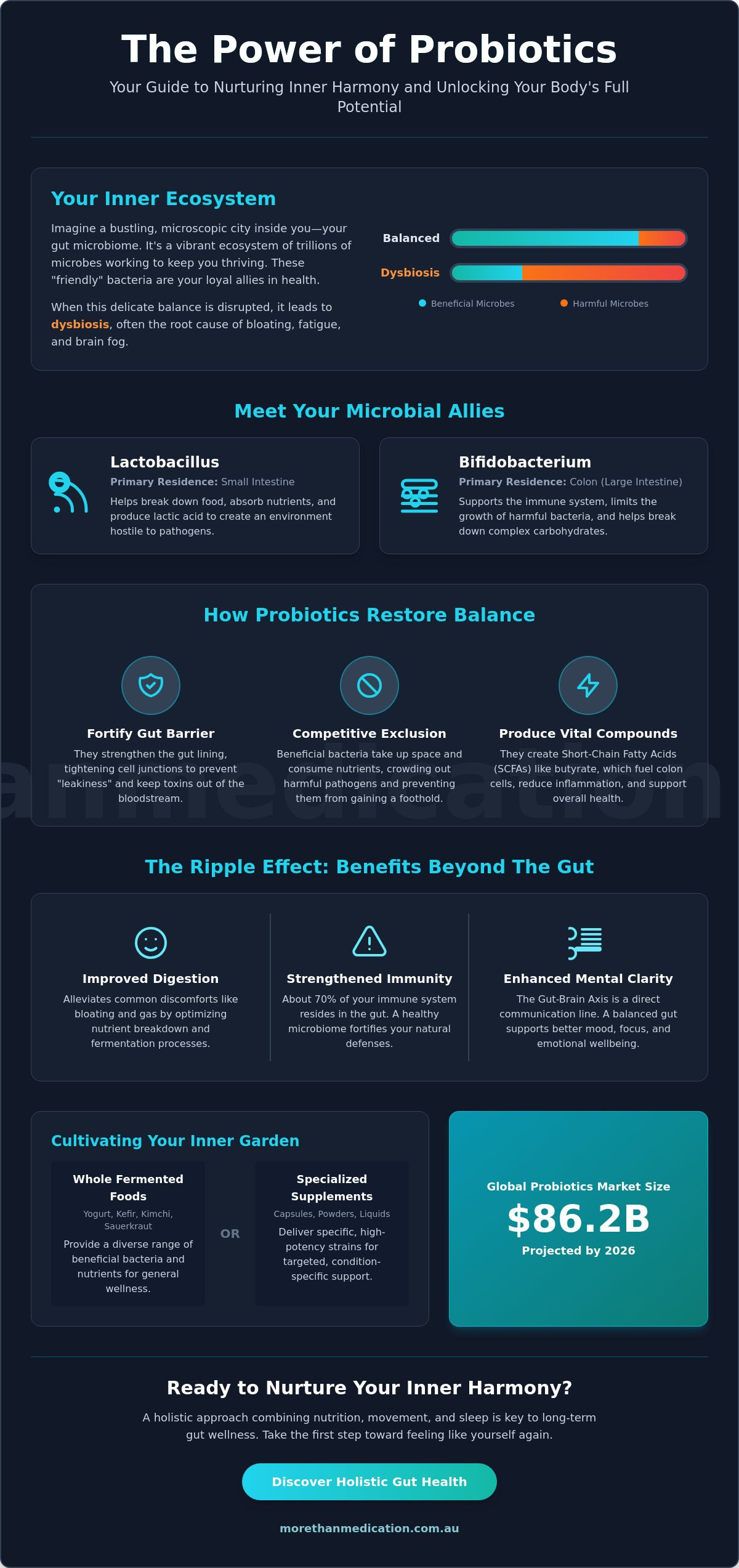
Imagine a bustling, microscopic city living right inside you. This isn’t just a collection of cells; it’s a vibrant ecosystem that works tirelessly to keep you thriving. To truly grasp the benefits of probiotics for gut health, we first need to look at our internal residents. What are probiotics exactly? They are living, “friendly” bacteria that, when nurtured, provide a wealth of health advantages. They aren’t invaders; they’re your most loyal allies in maintaining a delicate internal balance.
When this balance shifts, you might experience what experts call “dysbiosis.” This is simply a state where the less helpful microbes begin to outnumber your beneficial ones. It’s often the root of that persistent bloating or sluggishness you’ve been feeling. Viewing your gut through a holistic lens means recognizing that this internal garden is the foundation of your overall wellness. When your gut is in harmony, your whole body feels the ripple effect of that peace. It’s the starting point for mental clarity and physical resilience.
Understanding Your Gut Microbiome
Your gut is home to trillions of microbes, a number so vast it’s hard to wrap the mind around. These tiny partners do the heavy lifting for your body, from breaking down complex nutrients to ensuring efficient waste removal. Modern life can be demanding. Factors like chronic stress or highly processed foods can unfortunately deplete this microbial diversity. It’s a quiet struggle that often shows up as physical fatigue or mental cloudiness. This reminds us that our daily choices and our microbiome are deeply intertwined in a continuous cycle of care.
The Different Strains: Lactobacillus vs. Bifidobacterium
Not all beneficial bacteria are the same. You’ll often see two primary families on labels: Lactobacillus and Bifidobacterium. Lactobacillus usually resides in the small intestine, while Bifidobacterium prefers the colon. Each family has specific “jobs,” such as producing lactic acid or supporting the immune system. Strain specificity means that the health benefits of one particular probiotic strain don’t necessarily apply to another, even if they belong to the same species. Choosing the right strain is like picking the right tool for a delicate task. This targeted approach is one of the greatest benefits of probiotics for gut health in our modern era.
The Mechanisms of Action: How Beneficial Bacteria Support Your Digestive Resilience
Think of your gut lining as a protective gatekeeper. When it’s strong, it keeps toxins out and lets nutrients in. One of the primary benefits of probiotics for gut health is their ability to fortify this intestinal barrier. They stimulate the production of protective mucus and tighten the junctions between cells, preventing “leakiness” that can lead to systemic inflammation. It’s a quiet, constant process that builds your physical resilience from the inside out.
These tiny allies also engage in a process called competitive exclusion. They essentially take up all the “parking spots” and food sources in your gut, making it impossible for harmful pathogens to gain a foothold. Beyond just occupying space, they produce short-chain fatty acids (SCFAs) like butyrate. These compounds serve as the main energy source for your colon cells and play a vital role in keeping inflammation in check. You might wonder if these delicate microbes can survive the journey through your stomach’s harsh acidity. Modern delivery systems, such as enteric coatings and delayed-release capsules, ensure they arrive safely in your intestines where they can begin their work. As the National Institutes of Health points out, the effectiveness of these microorganisms depends heavily on their ability to reach the gut alive.
Relieving Common Digestive Discomforts
If you’ve ever felt the physical tightness of bloating after a meal, you know how much it can disrupt your day. Probiotics help by improving the fermentation process, ensuring that gas production is minimized. One of the most immediate benefits of probiotics for gut health is their ability to restore order when your system feels out of sync. For those navigating the complexities of Irritable Bowel Syndrome (IBS), certain strains have shown remarkable promise in reducing abdominal pain and regulating bowel movements. Whether you’re dealing with sluggishness or the opposite extreme, these bacteria work to restore a predictable, healthy rhythm to your digestion. If you’re looking for more ways to support your body’s natural rhythms, exploring expert advice on nutrition can provide the clarity you need.
Restoring Balance After Antibiotics
Antibiotics are life-saving tools, but they can feel like a “scorched earth” event for your microbiome. It’s common to feel depleted or experience digestive upset after a course of medication. You can support your recovery by introducing probiotics both during and after your treatment; just remember to space them a few hours apart from your antibiotic dose. This proactive approach helps maintain microbial diversity and prevents opportunistic infections from taking hold while your internal ecosystem is vulnerable. Focusing on a variety of strains during this recovery phase ensures your “inner garden” grows back stronger and more diverse than before.
Your gut is far more than a digestive tube; it’s a command center for your entire body. When we discuss the benefits of probiotics for gut health, we’re really talking about your mental clarity, your energy, and your resilience against illness. This connection exists because of the Gut-Brain Axis. It’s a sophisticated, two-way communication line that links your enteric nervous system to your central nervous system. It’s the reason you feel “butterflies” when you’re nervous or a “heavy” mood when your digestion is off.
Did you know that approximately 90% of your serotonin, the hormone responsible for happiness and stable moods, is produced in your gut? When your microbiome is out of balance, your emotional well-being often follows suit. Beyond your mood, your gut serves as the primary training ground for your immune system. About 70% of your immune cells live in your digestive tract. Probiotics act as mentors to these cells, helping them distinguish between harmless food particles and actual threats. This internal harmony reduces systemic inflammation, which often manifests externally as clearer skin and more consistent energy levels throughout your day.
Probiotics and Mental Wellbeing
The emerging field of “psychobiotics” is one of the most exciting developments in modern wellness. These specific probiotic strains are used to help regulate mood by reducing cortisol, your body’s primary stress hormone. By managing the physical environment of your gut, you’re providing a stable foundation for your mind to find calm. This shift toward internal support is a cornerstone of The Latest Health Trends in 2026, where holistic mental health takes center stage. It’s about empowering you to take small, manageable steps toward a more balanced life.
The Immune Connection
Your immune system is constantly learning. Probiotics play a crucial role in this education by “training” immune cells to react appropriately to the world around them. When your gut is populated with diverse, friendly bacteria, you may find yourself experiencing fewer seasonal respiratory infections. This balance is also vital for managing allergies, as a well-trained immune system is less likely to overreact to harmless environmental triggers. Embracing the benefits of probiotics for gut health means giving your body the tools it needs to protect itself, allowing you to move through the world with greater confidence and ease.
Cultivating Your Inner Garden: Choosing Between Probiotic Foods and Supplements
Adding friendly bacteria to your system is like planting seeds in a garden; they need the right environment and constant nourishment to truly flourish. While we’ve explored the systemic impact of these microbes, the way you introduce them into your life matters deeply. For many, the first step involves embracing whole, fermented foods. These traditional staples provide a complex array of bacteria alongside the enzymes and organic acids that support your digestion naturally. However, if you’re managing a specific health challenge or recovering from a medical treatment, a high-quality supplement might offer the targeted, concentrated support you need. Finding the right balance between these two approaches is key to unlocking the full benefits of probiotics for gut health.
You must also remember to feed your new residents. This is where “prebiotics” come into play. These are specialized plant fibers that act as a fuel source for your beneficial bacteria. Without them, even the best probiotics can struggle to establish a lasting presence. You can find these fibers in everyday foods like garlic, onions, and bananas. If you’re looking for creative ways to boost your fiber intake, exploring Healthy Slice Recipes can provide delicious, nutrient-dense options for your daily snacking. It’s about making health feel like a natural part of your routine rather than a chore.
Fermented Foods: The Natural Approach
In Australia, we have wonderful access to a variety of fermented options. Kefir, sauerkraut, kimchi, and kombucha are all excellent choices that you can find in most local grocers. When shopping, always look for the “live and active cultures” label. This ensures the beneficial bacteria haven’t been destroyed by heat processing or pasteurization. If you’re new to these foods, start with just a tablespoon a day. This gentle introduction allows your system to adjust without the initial bloating that sometimes occurs when you shift your internal balance too quickly. It’s a patient process of nurturing your body at a pace that feels comfortable for you.
Navigating Probiotic Supplements
When food alone isn’t enough to meet your clinical needs, supplements provide a reliable alternative. Reading a label can feel overwhelming, but focusing on a few key details will give you confidence. Look for the Colony Forming Unit (CFU) count, which tells you the number of live bacteria in each dose, and ensure the specific strain names are listed. Expiry dates are crucial because probiotics are living organisms that naturally decline over time. You’ll also need to decide between shelf-stable options and those that require refrigeration, depending on your lifestyle. We always encourage a quick consultation with a healthcare professional to find a strain tailored to your unique biology. For more guidance on building a lifestyle that supports your whole self, you can find expert advice on nutrition through our community resources. The benefits of probiotics for gut health are most profound when they are part of a personalized, compassionate plan for your long-term wellness.
Nurturing Your Partnership: A Holistic Approach to Long-Term Gut Wellness
Probiotics are powerful allies, but they don’t exist in a vacuum. To truly thrive, these beneficial bacteria require a supportive environment that extends beyond the food on your plate. Think of your lifestyle as the soil in which your “inner garden” grows. The true benefits of probiotics for gut health are realized when you view your body as a single, connected unit. This means acknowledging that your physical activity, sleep quality, and stress levels all play a role in how well your microbiome functions. Integrating regular Fitness into your routine, for example, does more than just build muscle; it creates a biological environment where “good” bugs can flourish.
Your gut bacteria actually follow their own circadian rhythms, much like you do. When your sleep is disrupted, your microbial balance often shifts, which can lead to that familiar feeling of digestive sluggishness. Maintaining a consistent sleep schedule helps your internal residents stay in sync with your body’s needs. Similarly, chronic stress can act as a barrier to healing. When you’re in a “fight or flight” state, your body diverts energy away from digestion, making it harder for probiotics to do their work. Creating a hospitable environment for your microbes requires a commitment to slowing down and allowing your nervous system to enter a “rest and digest” state.
Lifestyle Factors That Support Your Gut
Regular movement is a gentle way to stimulate healthy gut motility, ensuring that waste moves through your system efficiently. This physical flow prevents the stagnation that often leads to discomfort. Beyond exercise, managing your emotional load is essential. Tools like Remedial Massage can be incredibly effective for stress reduction, helping to lower cortisol levels that might otherwise disrupt your microbial balance. It’s about finding small, manageable ways to signal safety to your body, allowing your gut to focus on absorption and repair.
Creating a Sustainable Routine
Building a gut-friendly lifestyle doesn’t have to be overwhelming. You can start with a simple three-step morning ritual:
- Hydrate: Drink a glass of room-temperature water to gently wake up your digestive tract.
- Nourish: Include a source of prebiotic fiber, like a small banana or a handful of walnuts.
- Replenish: Introduce your chosen probiotic, whether through a supplement or a spoonful of kefir.
As you begin to see the benefits of probiotics for gut health in your daily energy levels and mood, you’ll find it easier to maintain these habits. We suggest monitoring your progress over four to six weeks. Pay close attention to subtle shifts in your digestion, mental clarity, and overall vitality. Remember that healing is rarely a straight line. Be patient with your body as it recalibrates; you’re building a lifelong partnership that will support you for years to come.
Embarking on Your Journey to Inner Harmony
Navigating your health can feel like a complex puzzle, but understanding the benefits of probiotics for gut health provides a clear starting point for total body wellness. You’ve discovered how these living partners strengthen your digestive barrier and act as a direct communication line to your mind and immune system. Whether you choose the natural richness of fermented foods or the precision of a targeted supplement, you’re taking a courageous step toward reclaiming your vitality. It’s about more than just digestion; it’s about fostering a resilient foundation for your entire life.
Your gut health is a reflection of your whole lifestyle, from the way you move to how you manage the stressors of daily life. It’s a journey of continuous progress, not a race to a final destination. We’re here to support you with patient-centric guidance and expert-led health insights every step of the way as you navigate these changes. To continue your path toward a more balanced and vibrant life, explore more expert wellness advice at More Than Medication. You have the inner strength to cultivate a healthier version of yourself, one small step at a time.
Frequently Asked Questions
Can probiotics cause side effects like bloating or gas?
Yes, you might experience temporary bloating or gas as your internal environment recalibrates. This is often a sign that the beneficial bacteria are beginning to compete with less helpful microbes. To manage this discomfort, try introducing fermented foods or supplements in smaller amounts and gradually increasing the dose over two weeks. This patient approach allows your system to adjust without feeling overwhelmed or discouraged.
How long does it take for probiotics to start working?
You can expect to notice initial changes within a few days, though the full benefits of probiotics for gut health often take four to eight weeks to manifest. While acute issues like digestive upset might resolve quickly, chronic concerns like immune support or mood regulation require a longer commitment. Consistency is vital because these microorganisms need time to establish a stable presence in your unique internal ecosystem.
Is it better to take probiotics in the morning or at night?
Consistency matters more than the specific time of day, though many people find success taking them just before or with a meal. Food acts as a natural buffer, helping the delicate bacteria survive the journey through your stomach’s acidic environment. Whether you choose a morning ritual or an evening habit, pick a time that you can easily remember to ensure your microbiome receives steady, reliable support.
Can I take probiotics while I’m on antibiotics?
You can certainly take probiotics during a course of antibiotics to help maintain your internal balance. To ensure the medication doesn’t accidentally neutralize the “good” bacteria, try to space your probiotic dose at least two to four hours away from your antibiotic. This proactive step helps protect your digestive resilience while the medication addresses your primary health concern, making the recovery phase feel much more manageable.
Do I need to keep all probiotic supplements in the fridge?
Not all probiotic supplements require refrigeration, as many modern formulas are designed to be shelf-stable at room temperature. Technological advancements in 2026 have led to specialized freeze-drying and packaging methods that keep the bacteria alive until they reach your system. Always check the specific storage instructions on your product’s label to ensure you’re maintaining the potency and efficacy of your chosen supplement.
What happens if I stop taking probiotics suddenly?
If you stop taking probiotics suddenly, your microbiome will likely return to its baseline state within one to three weeks. While you won’t experience a dangerous effect, the positive shifts in your digestion and mood may gradually fade as the added bacteria are no longer present to support the environment. Maintaining a diverse diet rich in prebiotics can help sustain some of those hard-won improvements over the long term.
Can children and pregnant women safely take probiotics?
Probiotics are generally considered safe for children and pregnant women, offering support for developing immune systems and maternal digestive comfort. Because every person’s needs are unique, it’s essential to consult with your healthcare professional to select the most appropriate strains for these specific life stages. Choosing the right support can provide peace of mind and help foster a healthy foundation for the whole family’s wellbeing.
Are there any specific probiotic strains for anxiety and mood?
Specific strains like Lactobacillus helveticus and Bifidobacterium longum are frequently studied for their ability to support emotional balance. These “psychobiotics” are a key part of the benefits of probiotics for gut health, as they help regulate the communication between your gut and your brain. By supporting serotonin production, these targeted microbes offer a gentle, holistic way to manage daily stress and improve your overall mental clarity.
⚕️ Medical Disclaimer
This content is for informational purposes only and is not a substitute for professional medical advice, diagnosis, or treatment. Always seek the advice of your doctor or other qualified health provider with any questions you may have regarding a medical condition. Never disregard professional medical advice or delay in seeking it because of something you have read on this website.